13: Episode 13 “Footwerk Appreciation Month” Better Known as F.A.M.


Podcast Recording, Editing and Production in Crest Hill, Illinois
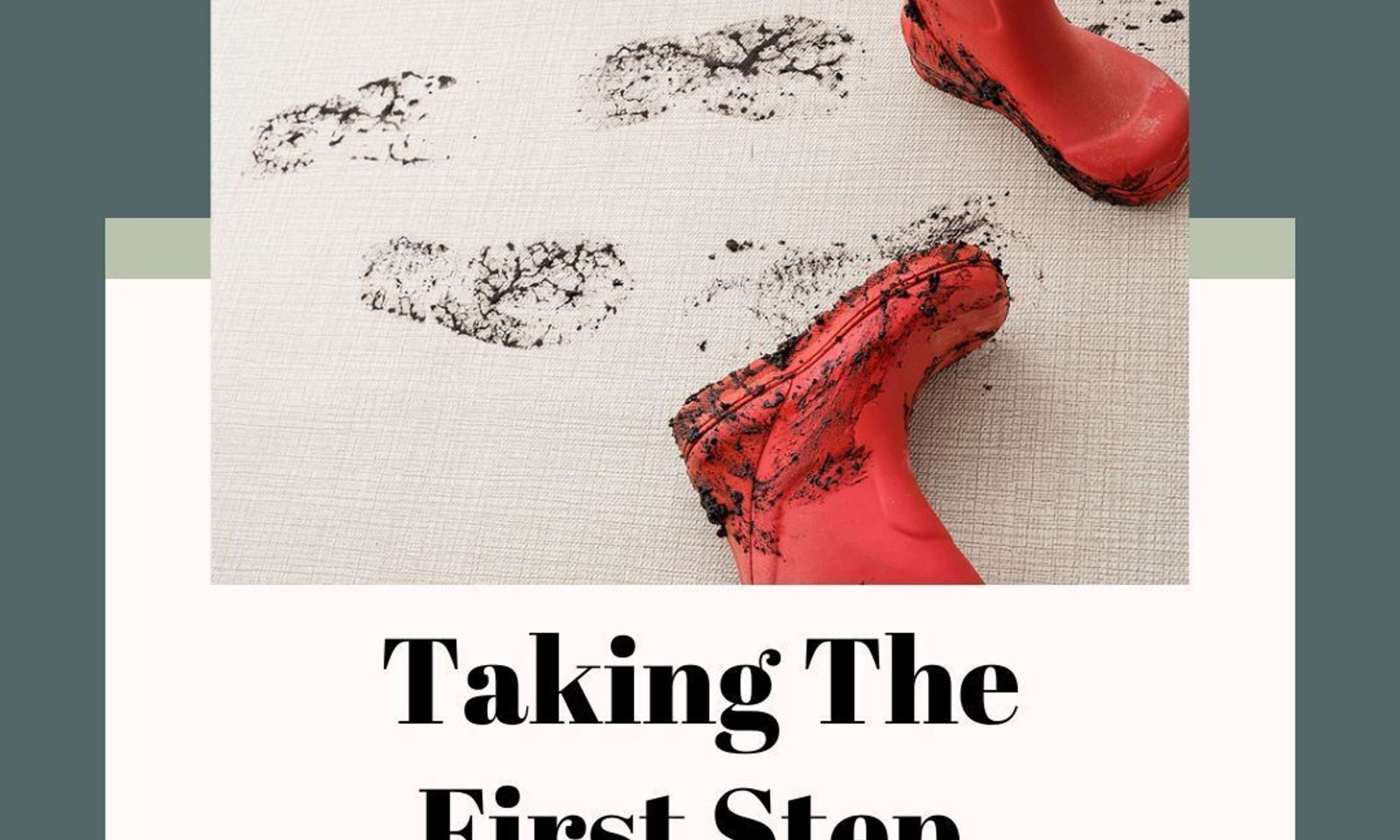
“The journey of a thousand miles begins with a single step.” But looking at 12 steps and saying “let’s go, let’s get them done quick” is not how recovery works, it’s a lifelong journey. Taking the first step means surrendering to addiction treatment. But what logically do you do? What does taking the first step mean?
Mike & Glenn discuss: Surrender. Calling your doctor. Doing a substance abuse assessment with a professional. Telling somebody that you love what you are going through. Accepting recovery. Joining a support group. There are many ways to take the first step, but “You’ll never learn to swim if you don’t jump in the pool”
Want more clinical information about taking the first step?
Visit Care Addiction Center’s Resources For Recovery Blog: https://www.careaddiction.com/edu/first-step-in-recovery-treatment
Podcast: Recovery Treatment Defined with Guest Matt Goff:
For more about this podcast:
Visit Sober.Coffee website: https://www.sober.coffee
Recorded at Audiohive Podcasting: https://www.audiohivepodcasting.com
In collaboration with Care Addiction Center: https://www.careaddiction.com

The guys discuss Ted’s desire for confrontation, determine the equation needed to properly assess any dog’s anatomy, and may have uncovered the world’s first family drive-thru funeral home.
thatchecksout.net
snapchat: TCODamonTed
twitter.com/OutWdt
instagram.com/thatchecksoutwdt
facebook.com/thatchecksoutwithdamonandted
Recorded at Audiohive Podcasting
Hosted on Transistor.fm

For instance, relatives sometimes worry their loved one will be “doped up” or become addicted to strong pain medications. Or they may fear their family member will suffer severe pain or other symptoms without sufficient relief. In this episode, Dr. Elizabeth Miles will shade some light on all of that.

Find us on our YouTube page! 📺
https://www.youtube.com/channel/UCCr_aDNTBiXEN17iclf5XCA
Find us on your favorite socials too! 📸
@bummybearspod EVERYWHERE 🌎
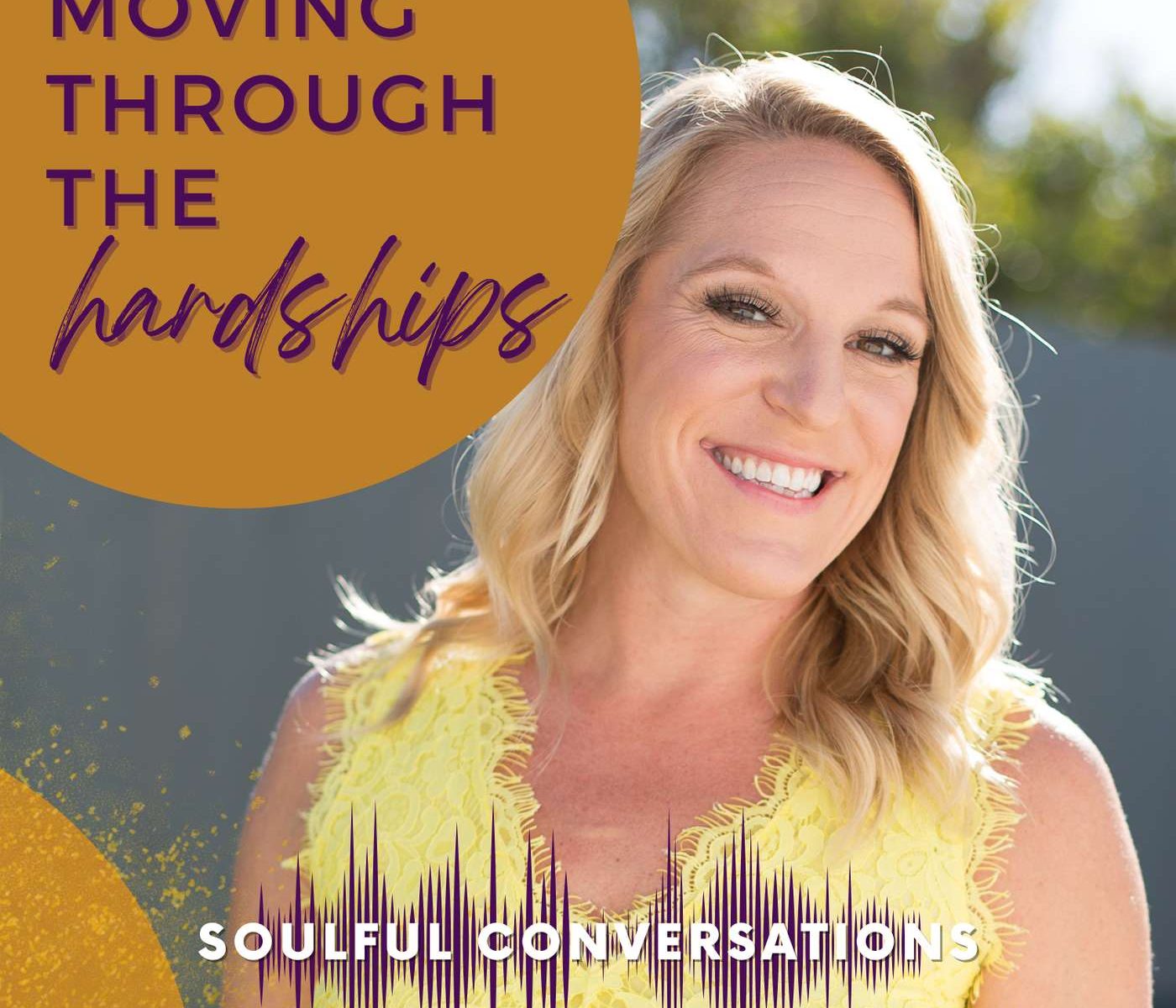
Episode #5 – From crying on the bathroom floor to re-finding her joy, Heidi B has done some major work to see the light through the hard in life. And lucky us, she was ready and raring to share some of her journey, insight, and tool box secrets with us. If you have ever or currently are having hardships in any part of your life (who hasn’t)…this one is for you! Come take a listen to give yourself permission to shift your focus, change the way you interact with others, and overall move through the harder parts of life with this episode!
Thank you to Heidi B for joining me and igniting me in all that you do. Want to give Heidi some love, check out what she is up to, or be a part of her community? She would love to have you there! I promise you her content will not dissapoint!
Heidi B is a soulful divorce coach and self discovery advocate who helps women from all walks of life move through the funk. Find freedom, inspiration, and some pretty epic content in all of her platforms!
Instagram and Tiktok: @joyfullybee
Facebook: @JoyfullyDivorced
Podcast: Cup of Joy The Podcast
http://www.joyfullydivorced.com
As always, thank you for being her in my community and sharing your precious time with me to help stand in your power!
Please be sure to hit follow, subscribe, and rate the Taking Flight podcast so you can be notified when more great content is added. If you’re feeling extra kind a review would be greatly appreciated and helps others know what to expect around here.
Come be a part of my community on FB and Instagram!
Branding, Business, and Empowerment: Facebook and Instagram
Handle: @meganhollycreates
A Safe Space of Artistry, Photography, and Inspiration: Facebook and Instagram
Hande: @meganhollyartist
Main Website: http://www.meganhollyartist.com
Interesting in getting relief from business burnout, overload, and lack of strategy come build something beautiful in the Business Oasis coaching program! Grab a FREE consultation today!
—
Support this podcast: https://podcasters.spotify.com/pod/show/megan-holly-artist/support
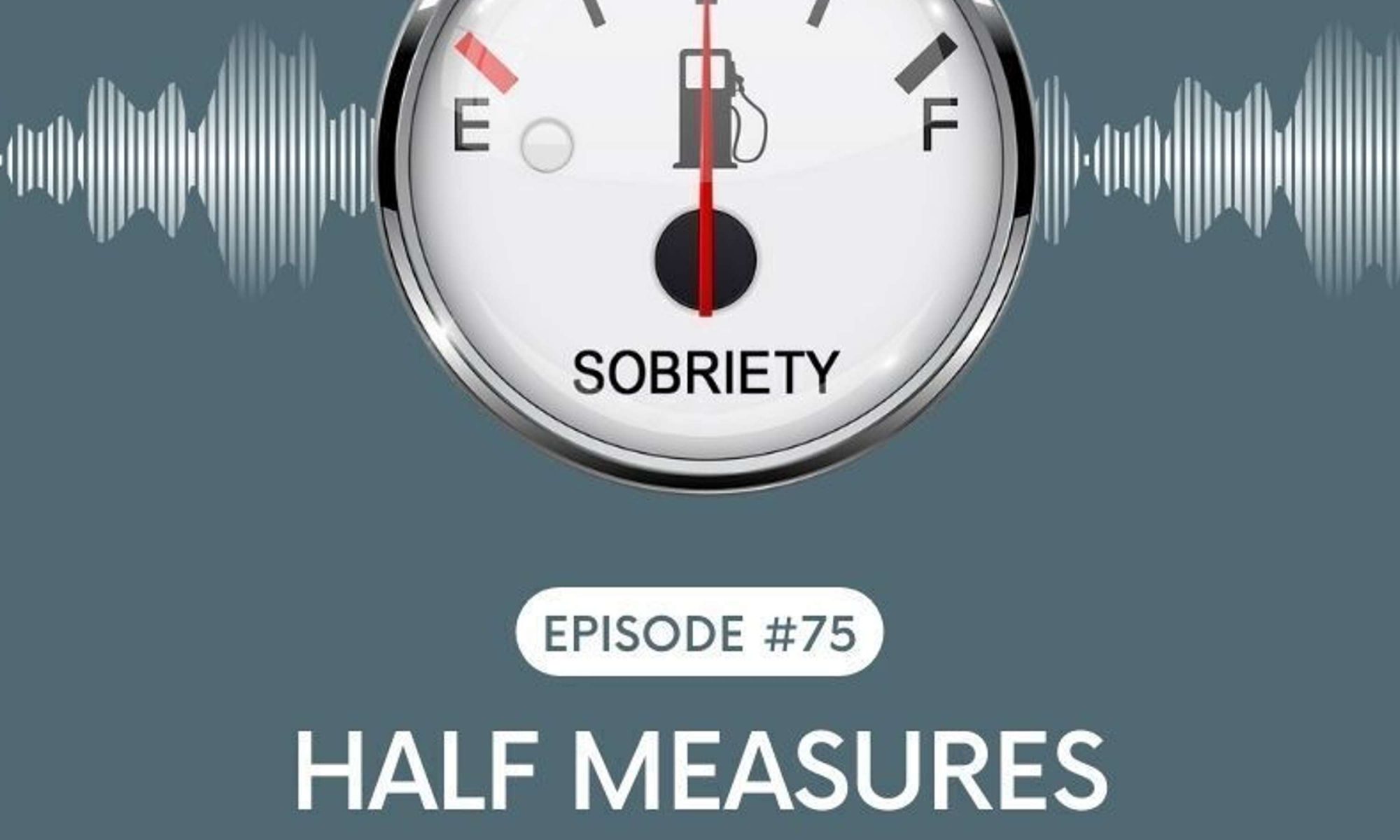
Are you all-in or only taking half measures on your sobriety? Do you know? Maybe you think you’re all in – but not talking a sip of alcohol is only a half measure.
Mike and Glenn talk about being all-in on sobriety, they open up about their past half measures and how to spot them. Listen in as they discuss honesty, AA meetings, AA events, self service vs serving, connecting with sponsors, and the 12 steps. Mike and Glenn walk through and explore what a half measure looks like and what the full measure looks like for all of these things. Where do you stack up on this list? Are you all in?
If you know someone who needs to hear this episode, share it with them!
Mentioned in this episode:
Big Book of AA: https://www.aa.org/the-big-book
For more about this podcast:
Visit Sober.Coffee website: https://www.sober.coffee/
Recorded at Audiohive Podcasting: https://www.audiohivepodcasting.com/
In collaboration with Care Addiction Center: https://www.careaddiction.com

Recorded at Audiohive Podcasting
Hosted on Transistor.fm
The guys uncover the most narcissistic set of Fun Facts ever given, invent a coupon that delivers terrible and extremely unrelated news, and determine that if dinosaurs were alive today they would absolutely love bagels.
thatchecksout.net
snapchat: TCODamonTed
twitter.com/OutWdt
instagram.com/thatchecksoutwdt
facebook.com/thatchecksoutwithdamonandted
Recorded at Audiohive Podcasting
Hosted on Transistor.fm
Katie is a practicing adult-gerontology primary care nurse practitioner. She is also the founder and CEO of Death Care Coach, a company offering end-of-life guidance, consulting, education, and coaching to families, caregivers, and healthcare providers. Before founding Death Care Coach, she taught full-time as a Professor at Drexel University in the College of Nursing and Health Professions Undergraduate Program, and an adjunct Professor in the Nurse Practitioner Program.
Duncan has been working in healthcare for over 10 years in various roles and various specialties. She has spent time in hospital and intensive care settings. She has also worked in home-care and community settings, navigating her way into diverse homes while developing strong, trusting relationships with her patients and their families. In addition, Duncan has spent time in sub-acute rehab, assisted living, independent living, nursing home, and long-term care facilities. She continues to be an everlasting student continuously learning from those who allow her the privilege of being at their bedside, especially as they journey through their dying process.
Of all the places Duncan has worked, her greatest love has always been end-of-life hospice care. It has been her honor to be at the bedside of irreplaceable fellow humans as they take their last breaths in their physical bodies. Their journeys have taught her that life is a precious gift, and there is an opportunity to find beauty even at the very end. As a result, Duncan has made it her mission to educate, coach, and provide holistic services focusing on end-of-life matters.