Some stories change you while you’re listening to them. This is one of those episodes.
In Episode 80 of AMP’D UP211, I sit down with author, amputee, and sepsis survivor Katy Grainger for an incredibly honest conversation about trauma, survival, identity, and rebuilding a life after everything changes. Many people know Katy’s story from the medical event that led to the loss of both of her legs and fingers, but this conversation goes much deeper. We talk about the emotional aftermath, the process of writing her powerful new memoir Finding Solid Footing: Thriving Beyond the Unimaginable, and what it was like to revisit some of the darkest moments of her life to help others heal through her words.
This episode is not just about limb loss. It’s about purpose, resilience, fear, reinvention, and the difficult work of finding yourself again after life takes a direction you never saw coming. Katy speaks with incredible vulnerability about grief, recovery, motherhood, faith, and the emotional reconstruction that happens long after the physical healing begins. If you’ve ever faced adversity, struggled with change, or wondered how people find the strength to move forward after devastating circumstances, this conversation will stay with you.
AMP’D UP211 exists to tell authentic stories from the amputee and disability community while breaking down stereotypes and showing the humanity behind these journeys. Whether you are an amputee, a caregiver, someone navigating trauma, or simply looking for perspective and inspiration, Episode 80 with Katy Grainger is a conversation you do not want to miss.
We sit down with Dr. Warren Wong to rethink what dementia care should look like when the goal is love, dignity, and real quality of life for both the person living with memory loss and the caregiver. We share hard truths about emergencies, wandering, and burnout, plus practical ways to build trust and get meaningful support instead of trying to white knuckle it alone. • Dr. Wong’s journey into geriatrics and the PACE model for keeping seniors in the community • Why “call 911” can trigger hospitalization and loss of independence for frail older adults • Cultural expectations and caregiver guilt that block families from asking for help • Our personal story of refusal to test, crisis diagnosis, and the overwhelm of finding memory care • Trust building, routine resistance, and the green light yellow light red light days • Why showering can be terrifying and how to approach care with more safety • Medicare GUIDE, caregiver training, respite options, and 24 7 dementia support • Care navigation versus care coordination and why checklists are not enough • Dementia villages, memory cafes, and social connection as part of care • “Doing to” versus “doing for” versus “doing with” as a dignity framework • Wandering risk and why the first 24 hours matter Make sure you leave us a review or subscribe to our YouTube channel
Welcome to Patty's Place, a place where we're going to talk about grief, dementia, and caregiving. This podcast is in honor of my mom, Pat, who passed away from dementia about two and a half years ago now. I'm your host, Lisa, and this is a place where you'll know that you're not alone. So grab your cup of tea, your cup of coffee, or if you're having a really bad day, a glass of wine, and we will get talking today. Today I'm very excited about our guest. It's Dr. Warren Wong out of uh he's a clinical professor with the University of Hawaii School of Medicine. Uh, and you focus on geriatric services uh with in design for the senior segmentation. So I'm very excited. Thank you for being here today.
SPEAKER_00
0:48
Thanks so much, Lisa. I'm happy to be on Patty's place.
SPEAKER_02
0:52
Yes, I think there's just so much to talk about. Uh you're also the founder of geriatric services at Kaiser Permente in Hawaii, is that correct?
SPEAKER_00
1:02
That's right. And uh I'm uh I'm retired from Kaiser, but uh I was part of the National Planning Committee.
SPEAKER_02
1:08
So okay.
Dr Wong’s Path To Geriatrics
SPEAKER_02
1:10
Well, can you tell us a little bit about your background? Like what drew you to specialize in geriatric medicine.
SPEAKER_00
1:17
Well, you know, I've been at it for uh 40 years, and um even before I ever applied to med school, um I was really drawn to care of seniors. And uh it was a way of both serving the community that I I um felt uh affinity to that I'm Chinese American and I felt a strong affinity to um uh uh my uh hometown, Chinatown, San Francisco, Chinatown. And uh there were some very uh innovative things being done back then, and I was thrilled to um experience the working in in a team with one of the original PACE sites, or the actual original PACE site uh called Onlock in San Francisco. And I just really enjoyed the um the work, the um more holistic way of providing care for seniors, not just putting them in nursing
How PACE Keeps Seniors Home
SPEAKER_00
2:19
homes. So and what what is the PACE program The PACE program is a national uh program. It started in San Francisco at Onlock. Onlock is Chinese for peace and happiness. And it's a program that uh people enroll in and get all their services, both traditional Medicare services and an expanded set of support services, uh, while continuing to live in the community. Um and there's a lot of emphasis on them being at a day health center uh to get services during the day. Uh during while they're at the day health center, they uh can get uh physical therapy, a lot of recreational therapy, socialization, and your providers are right there. So uh it would be typical for uh a person to be involved in activities. And if I wanted to see the person, uh that person would just be wheeled into a separate area and we would do uh a short clinic visit. Or once in a while I would just drop by into the activities area and just feel the person's pulse just to make sure that person was doing fine, and that's the work way uh the PACE sites work, they're all across the country now. It's a Medicare benefit for people who qualify, and there are a large number of uh of Medicare um programs across the country, uh PACE programs across the country now.
SPEAKER_02
3:51
Oh, okay.
When 911 Is The Wrong Answer
SPEAKER_02
3:52
And in your opinion, how should healthcare for seniors evolve to better meet their unique needs?
SPEAKER_00
4:00
Well, I think it it must it really needs dramatic change in terms of not just thinking about disease, but thinking about the person, how it impacts the person and how to um to optimally provide you know quality of life, dignity and and and respect for older people. And the uh I'll give you a very specific example of of that, uh Lisa, is that uh you know, throughout the country, you you when you call your physician, they'll it'll pretty much end with the comment if you are have any kind of emergency, please call 911. Right. Well, that doesn't really serve a lot of older people very well. I mean, if you're a frail older person, uh I always like to make the point that if you're frail and elderly, calling 911 can be a one-way, a one-way call. And by that I mean it's invariably that if you're if you're about age of 85 or older, um if you go to the emergency room, there's a 50% chance you're gonna be hospitalized. And once you're hospitalized, there's about a 50% chance you're not gonna go straight back home.
SPEAKER_02
5:19
Oh, I did not know that. Okay.
SPEAKER_00
5:22
Yeah, so um it's not the most supportive way. And uh, you know, a lot of older people say, please don't send me to the emergency room. And there's a lot of reasons for that, and they're legitimate reasons.
SPEAKER_02
5:34
Yeah, I I wasn't aware of that statistics.
Culture Guilt And Asking For Help
SPEAKER_02
5:38
Can we talk a little bit about like cultural expectations and like the language barrier and maybe the prejudice that plays the role for caregivers? I know uh you highlighted this in uh the the your future book coming out that you sent me some information on it. But I think that cultural expectations plays a role in things.
SPEAKER_00
5:59
Yeah. So uh, you know, uh it'd be really great if we talk about the importance of support for caregivers. Um and you know, the whole concept is that uh you you know, the traditional healthcare system, you go to a physician, then you're always expecting a medicine. Uh and of course, as you know, Lisa, uh medicines for all Alzheimer's disease and dementia in general are only modestly effective at most.
SPEAKER_02
6:32
Yes.
SPEAKER_00
6:33
And I like to make the point that the the best medicine for a person who lives with dementia and for the caregiver is to get support. And that's more effective than than uh the the just getting a medicine from your doctor. And there's some cultural aspects of that is in that you know many people uh who are older have uh you know come from different cultures, and getting support uh means a lot of different things. Um a lot of caregivers feel like within their culture that it's their obligation, um and asking for help from other people and imposing that help from other people on a person uh who uh in a frail elder person is is not uh it's not what is expected. It's it's um it's expected within culture that it's done within the family. And um uh I think there are things some things that need to be overcome with that.
SPEAKER_02
7:43
Yeah, I think that is hard because I know that when with my mom when she was in memory care, uh there were, you know, I got to know different family members of other patients, uh other residents, and that came up, you know. The the one woman, she was like, Yeah, she was Hispanic, and she said it was just in the culture that she was supposed to take care of her mom, and she had to fight her brothers because her mom was getting into cars with people she didn't know, you know, and like they just they just kept saying, Well, you can take care of her, and she's like, No, I I can't. I need help. And she struggled with that.
SPEAKER_00
8:18
Yeah, yeah.
Getting A Dementia Diagnosis During COVID
SPEAKER_00
8:20
Why do you think what are your thoughts, uh Lisa? Uh, did you seek out uh help uh in caring for your uh for Patty?
SPEAKER_02
8:30
Well, my mom, I noticed my mom was wasn't herself for quite a while. And I tried to get her help and she refused to go to the doctor. I even had her at our at our primary doctor, uh, who she knew and loved for years. She refused to take the simple little memory test. She just would not take it. Wow. Yeah. She just, and um, I think on some level she knew something wasn't right, but if you brought it up to her, she got very upset. So finally, when she didn't know who my dad and I were in the house, I told my dad, we have to do something. You know, and luckily my parents had done powers of attorney. Uh, and and this was all during COVID as well, of course. And uh, we took my mom to the emergency room with the power of attorney, and you know, they diagnosed her right away with dementia. And uh, she they diagnosed her with moderate to severe. Um, she lived with me for a month, and that as we were trying to find a place for her because they told us we weren't gonna be able to take care of her at home because she was very mobile still, even though which was highly unusual for the state of her dementia. So it you know, it did. It took a while and it was very overwhelming because I was like, I I don't know where to go. What do I do? You know, like what's the best place uh for that uh with that.
SPEAKER_00
9:56
So it's interesting. Um you raised so many points there right away. One point is that um, and that's a whole different subject, but uh how people are so afraid of memory loss. You know, they're afraid of memory loss in a way that they're not afraid of a failing heart or failing kidneys, they're much more afraid of a of a failing brain. And I think uh those kinds of fears actually make the problem worse, not better.
SPEAKER_02
10:28
Yeah, and my dad had a very hard time. He just kept telling me, you know, oh, she's fine, and it's just age. And I was like, something's not right. And so I I struggled for a long time. So in many ways, I feel like I lost my mom years before I actually lost her. You know, because I I could just tell she wasn't and people came to me and said, something's not right with your mom. And I was like, I know, but I can't get her to go, you know, even though as you as you said previously, there's really not a lot of medications, there's not much they can do for it um with that.
Trust Routines And The Green Light Days
SPEAKER_02
11:08
So you talked about too uh that people with dementia, they resist a lot of new routines. So what advice can you give the caregiver for that? Because I I noticed that with my mom about with that.
SPEAKER_00
11:22
Yeah. Well, you know, there's the the emotional dementi dimension to people who are starting to um lose memory, and there's uh less a feeling of comfort and security. So the space that a person feels comfortable becomes smaller and smaller and um and there's more and more uh anxiety about unfamiliar situations. So um uh that that that is um something that uh you know need needs to be um dealt with.
SPEAKER_02
12:08
So um and and I did notice that with my mom, like she didn't want to go out as much, like even to the grocery store where my dad ended up going to the grocery store more and more. Um and then even when she was in memory care, little by little she didn't want to come out of her room anymore. You know, so I I did notice that she just she just didn't want to do it anymore. Like I could tell that's where she felt safe. And you know, uh with that. So would you oh go ahead.
SPEAKER_00
12:43
Well, underneath all that is the subject of trust um and trust, you know, if it's important to build up as much trust as possible. And it's very similar to building trust in a child. You know, if a tr a child trusts you, uh they're willing to do more. And uh trust is something that's really important uh when people are are seeking uh out to um move things along.
SPEAKER_02
13:17
I was gonna say that is very true because there were different times with my mom that I knew she trusted me, even though she didn't know who I was, even in memory care. Uh she would get very upset with showers. She she did not like getting showers, and she would like get so upset. And if I was there, she would like grab onto my hand and be like, please don't leave me, please don't leave me. And and I didn't. And I it sometimes it took me over an hour to calm her down with things, but it was like I knew she trusted me.
SPEAKER_00
13:50
So yeah, and it's really interesting that uh, you know, there's a lot of uncertainty when you're taking care of a person uh who has uh uh dementia or Alzheimer's disease, and every day is different. There may be a day in which everything seems fine, and it's it's a green light for things, and other days in which it's a yellow light, and other days in which it's a red light. When it's a red light, you may as well not try. Uh the skill is when it's a yellow light and turning that yellow light to a green light, and sometimes what you find is that you can't get things done, but sometimes, you know, for whatever reason somebody else can get things done, which I which gets back to the whole issue of why support is so important and getting different people to help out.
SPEAKER_02
14:48
Yeah, because sometimes uh I used to be able to get my mom to change her her pants when she'd have accidents, and then after a while I she wouldn't let me do it, but a caregiver could do it for her, you know, with it, the ones that she knew and she liked uh with that. Uh do you do you have any idea?
SPEAKER_00
15:08
The really things in life really change uh when a support system uh gets put in place. And sometimes you may be the most familiar person and less likely less able to get things done than someone who's less familiar, but somehow seems to be in a different role. Um so that's why it takes a whole team.
SPEAKER_02
15:33
Yeah, it definitely does. Do you have any insight as to why people with dementia don't like to take showers? Like on the medical side of it?
SPEAKER_00
15:44
Well, uh, you know, um that is a very common um problem. And my own personal opinion is that it's it's it's a very um it's it it's not it's in the more in the primitive areas of the brain about the relationship between living in water and and fear of water. And uh that uh being in an environment that uh being surrounded by water is something that uh people start to feel a fear of.
SPEAKER_02
16:29
Well, my mom always had a fear of water, so that would explain a lot for my mom. Uh with that. And and you mentioned before that it takes a village, and I know that's uh one of your is that the gonna be the title of your book, or is that was the title of the one chapter? So let's talk about you have a book coming out soon.
SPEAKER_00
16:47
It's it's a theme in that one chapter. I think the title of my book uh will relate it, relate will relate to gold, G-O-L-D, which is an acronym for for getting older with love and dignity. And uh, you know, when you talk about the healthcare system, uh, does it really help people get older with love and dignity? I would say if you look at the way things are actually done, um, you know, in some ways yes, but in many ways no.
SPEAKER_02
17:20
I would agree with that. Uh and you have a lot of information uh that you had sent
Medicare GUIDE And 24 7 Support
SPEAKER_02
17:26
me. So you said that there's some uh Medicare has some new initiative guide. Where could people find some of that? Because that's very overwhelming too with Medicare.
SPEAKER_00
17:40
Yeah, so um there's a new uh program uh from Medicare called Guide, G-U-I-D-E. And uh it's not available everywhere, but it uh was created because there was a broad understanding that uh the traditional healthcare system doesn't really provide for the needs of people who have dementia, uh, especially as it gets more severe. And what the guide program, and you need to uh do a little bit of a search for the Medicare guide program, and they will actually tell you sites in which it's offered. It's only offered via traditional Medicare fee for service, which means that if you have a Medicare Advantage plan, uh they won't offer it. But it's being rolled out across the country, and what it does is it does something that the healthcare system doesn't do now. Uh, for instance, one thing it will do for is that 24 hours a day, it will provide uh uh on-call services. So if you have any question, somebody is on the other end of the line who actually knows the person's record and history and has expertise in dementia care, and that's 24-7. And then uh for certain people who qualify, they will actually get some in-home services as well. Oh, so that is an innovative program, yeah, that's being um rolled out across the United States, but it's not uh well developed in many sites yet. Um but it is something that is important. It is only specifically for people with dementia. They also offer sometimes some degree of respite services, and they offer uh training and education for caregivers.
SPEAKER_02
19:46
Oh, well, it's just important because I think the more training and education a caregiver gets.
SPEAKER_00
19:50
It's much better than what exists now in general for people with uh dementia and their caregivers.
SPEAKER_02
20:00
That's good to know uh with it because it's so overwhelming.
Care Navigation Versus Care Coordination
SPEAKER_02
20:04
You also mentioned about uh care navigation and care coordination. What is that?
SPEAKER_00
20:13
Yeah, there there's a big difference. So it's pretty traditional uh I I don't know if your mom Patty was ever in the hospital, um Lisa, but it's very very typical that after a person is discharged or in the process of being discharged from a hospital, it's a little bit overwhelming because a lot of things have changed. Um a person uh may become maybe significantly less physically capable, and people will say, How come mom's being discharged from the hospital? She isn't well yet. And the answer is, well, that's not the purpose of an acute care hospital. It's the purpose of an acute care hospital is to just get them out of the woods for now to get them out of their acute illness. And uh when the person is discharged from either a nursing home or from a hospital, a lot of questions is uh, where do we uh go from here? And the typical response is well, this is what you need to do. And they'll give you a list and said, You need to do this, you need to do this, and you need to do this. That is called care navigation. It's widely available, it's done in most hospitals throughout the country. It's one of the things hospitals are rated on is did you tell the family what to do? That's a lot different from helping the family do it. That's true. And that's what care coordination is. And so, care coordination, when you look at it, is not widely available. And that is one of the things that the Medicare Guide program really helps with. It doesn't just tell you what. To do, but helps you get things done. And um it's a little bit overwhelming for most caregivers to say, just get a piece of paper, well, you need to do this, this, this, and this.
SPEAKER_02
22:13
And it was overwhelming.
SPEAKER_00
22:17
And that's a lot different from care coordination, which says, Well, this is what needs to be done. Would you would would it be okay if I help you do it? And I'll help you coordinate this, I'll help you set this up. That's not typically available from hospitals. It is available sometimes from specialized programs. Uh, like, for instance, uh, in some places, like if they have a a memory care uh clinic in a major hospital, uh, sometimes they'll do things like that. It's very similar to what happens when a person has cancer, that they will actually coordinate care. They will make sure that care is seamless. They won't just give you instructions. And that's a big difference between navigation and coordination. And that's a big gap in our healthcare system.
SPEAKER_02
23:10
I would agree with that. Yeah, because they gave me, you know, here and I had to do most, pretty much all of it on my own. Uh, you also talked about uh dementia villages and memory cafes.
Dementia Villages And Memory Cafes
SPEAKER_02
23:23
Uh I know in is it Finland that they have like a dementia village, but you said that there's some places in the United States are starting to possibly do this.
SPEAKER_00
23:33
Yeah, it it's a concept that uh is uh was started in uh Holland and uh is has been replicated in very in which people live in very safe environments. Um they they they become eligible when they have dementia. And the safe environments are environments that feel uh very familiar to them, and so it might be something that feels stuck in time. Now it's it's an interesting concept, and they've also had some similar efforts in Japan. Um and in the United States, um, there is one site that is preparing that. I think those are interesting things. I don't think they're, you know, those things are definitely not widespread in the United States. But uh the memory cafes are um also a concept that is somewhat familiar in the United States, and you need to Google search it, but various sites will uh have little social meetings in which people with memory problems get together and uh either have activities or um just talk about uh things from the past.
SPEAKER_02
24:51
So and I have to say sometimes it was quite entertaining listening to uh two or three different dementia patients talk, you know, because like they talked about all kinds of things and you just followed along with them. And sometimes it was funny just listening to them. And I didn't mean I don't mean that in a bad way, but like it was just entertaining, and like you just listened and went along with them, and you I would laugh, you know, uh for it.
Doing Things With Not To
SPEAKER_02
25:17
You also talk about a cut these concepts of doing two, doing four, or doing with, and you recommend doing with. Can you explain that for people?
SPEAKER_00
25:28
Yeah. So doing two is something that the healthcare system, again, uh does too often to um people who are frail and ugly. Doing two means if you have an emergency, call 911. Because doing two means that it's not something that is very friendly or supportive of dignity. Um and it actually imposes something on a on a on a person that the person may not actually want. Um so a very typical example of doing two um is putting a person in a nursing home. So there's a double whammy that you become frail and elderly and you may have memory problems, and then on top of that, you're re you're instead of being supported uh with all those challenges, you're put in a nursing home, which is probably you know one of the reasons that people don't like to be diagnosed as having memory problems because of the fear that this is what's going to be done to them. Now, I can see that yeah to them is worse than for them, which is a lot of times people say, Well, this is good for you. You need to do this, and people say, Well, this is good for you, take a shower, get a bath, this is good for you. And it is good for them, uh, but it's not something that they really necessarily really want to do. And the optimal is when a person is able to do something that says, I'm doing this with you, so that the person feels like this is helpful to me as well. Now, it's it's an ideal goal is doing things with a person, um, but um I think it needs to be thought of. So when it comes to, for instance, like, what are we gonna do with mom as she gets into a more advanced stage, or what are we gonna do with mom when uh when it's just becoming overwhelming in various ways, people have to make decisions and they have to think a little bit. Are we doing this to her, for her, or with her? And you really want as much as possible to do things with her. It's not always possible, but certainly you don't you really want to avoid doing things to a person, which means for your benefit, but not really something they wanted. And uh, you know, as a geriatrician, uh that's a a conceptual framework, but what it actually means in specific situations needs to be tailored. For instance, you were saying that despite your mom having a significant degree of cognitive impairment dementia, she was still able to walk. And so uh an intervention that's tailored to her is a lot different from an intervention that's tailored to somebody who can't walk. And of course, somebody who walks, one of the common, you know, specific issues that comes up is wandering. And how do you manage that?
SPEAKER_02
29:04
Yes, and she did, uh, she got out twice in one night uh when she was living with me in the house, and I was right there when she did it. I mean, she was fast, and luckily I caught her. She only got to like my neighbor's driveway and is like, you know, in the middle of the night, you know, and she just thought she was gonna go visit. And I was like, no, no, no, we we need to come in, but it is really scary when that happens, you know. I I I see how easily.
SPEAKER_00
29:33
Yeah. The Alzheimer's Association really uh talks a lot about wandering and it's uh Lisa, you mentioned how scary it is, and it's scary for a reason. The statistics actually are really concerning. Um if a person gets lost for more than 24 hours, you can't find them for 24 hours, there's a good probability um that there's a major injury.
SPEAKER_02
30:06
Okay.
SPEAKER_00
30:07
So if you don't find a person within the first 24 hours, it's definitely a situation uh in which the outcomes become more and more problematic. So um that's why when somebody gets lost, it's important to to to, and there's there's a different chapter in my book about special situations that it's really important to seek out help right away. And um you really want to find a person within the first hour. Um the the it gets more and more difficult to find a person as the time passes.
SPEAKER_02
30:49
I would I would believe that because they they don't know where they are in in that. So, but yeah, that was very, very scary. And I remember calling my dad at 4 30 in the morning, and he came like a few hours later and he changed the lock on my door and and all that. But I I didn't sleep well because I knew what if she got out through the patio door and stuff like that. So it was very scary.
The First Step Toward Support
SPEAKER_02
31:10
So when what do you know when your book will be coming out?
SPEAKER_00
31:15
Uh there's a good you know, it's taken me years, um, but there's a good chance it's gonna come out this year. Okay. Um the the chapter that I shared with you is about um uh what kinds of support exists. And the that chapter, I won uh there were a number of different things I I I uh I delved into. One is that you know it's important for everybody to get support, um, but there's a large number of people who really hesitate to get support, and there's a lot of different reasons for that. Um and then I also talk about the different kinds of support that exists, and there's a lot of evidence that people who reach out for support, the um the outcomes are a lot better. Um, the outcomes are better for the caregiver, and the outcomes actually better for the the patient as well. Um, you know, caregivers who get support do much more better on their own uh emotional, physical, um uh well-being, and uh are able to lead lives that are that still feel a lot more connected. Um and for patients, um, when support is in place, they actually are able to live at home a lot uh significantly longer.
SPEAKER_02
32:34
So and I did you had a lot of good information on in there, you had um uh were people books that you recommended, uh different things they could watch or listen to. You also said there's a best practice caregiving database that people could have access to as well.
SPEAKER_00
32:55
Yes, yeah, and and again, it it does need to be tailored. And part of it is that you know, everybody's different. Like some people will readily reach out for help, other people are uh, you know, for a lot of different reasons, maybe cultural, maybe feeling like like this is my responsibility. Some people feel like I can do this better than anybody else. Um people just feel overwhelmed. Uh, some people feel um that um they're that they they're that the help out there is not really that good. So a lot of people approach it in many different ways. And my my my message is always take take a first step, no matter how small it is. If it if you want to just start out with a really small step, that's fine. But uh it's really important that to seek some sort of help, just the same way that for your mom, you know, she was not willing to take that first step of actually getting evaluated. But taking a small step, and then it even if it doesn't lead you immediately to the to the best tailored in intervention, the best tailored support, it gets you started. And um, then you kind of tailor it from them. And you know, a lot of times when people have at the early stages, they mostly want education, and there's a lot of different ways to do that. So things such as your podcasts, there's some um uh websites that just provide information. Alzheimer's Association is wonderful for that. Um there are some sites that provide structured trainings that are either on your own timeline, like you'll you go through different modules about managing this, managing that, managing financial issues, managing behavioral issues, um, uh, managing laundering. Uh, and then there are more structured uh uh courses that say, well, on this day we're gonna talk about this, we'll discuss it on this day. And so you just pick out what works best for you. You know, there's the educational aspect, and then the which your podcast is mostly educational, then there's others that are more about caregiver support, emotional support, you know, support groups and people chat together, and I I belong to some of those. Um uh and support groups are really good. People once they start, they really find uh a sense of being able to talk with people who are in the same situation, similar situations to them. But what I find is that a lot of people hesitate to ever get involved in a support group, and then you know, then other things like you've done, Lisa, is which actually get hands-on support. You know, you you got your mom into a memory care unit and stuff like that. And so there's different kinds of things that you can try. Um, and of course, it because it's very individualized because uh, for instance, there's more resources in urban settings than there are in rural settings. In urban settings, you know, you might actually find programs that are readily available, whereas in rural settings, you might need to just get more help online. Um and then there's always also the financial issues, you know. I mean if you have a significant amount of money, it's gonna help a lot. If you don't have money though, you should not just give up and say, There's no help for me. Um, right. You know, the Alzheimer's Association is very good for that with the helpline with live people that say, you know, how can I get help? Um in every region in the United States, there is an area offices on aging, and they're usually more knowledgeable about what actually exists in specific areas. But it does take that first reaching out, and part of um, you know, what I find is that people are just so overwhelmed with just what they're doing that they really don't have any time to even reach out for that little bit of help that would actually make a difference. Uh, but they're so they're drowning basically in their immediate day-to-day activities that even reaching out, and the analogy I use is you know, somebody's in the water and they're they're they're they're afraid of drowning and they're they're they're you know um moving their hands and their legs, and somebody in a in a in a rescue boat comes out and says, just grab my hand, and and they won't grab the hand because they're just so busy just trying to stay alive that they don't reach that hand. I just I I just really want to make people recognize that that's the that's the critical time they need to reach out when they're when they're at what I call the red light zone, when they're not sleeping well, uh, when they're not eating well, when they feel totally isolated, when they're turning to sleeping pills and and alcohol and drugs and and just uh uh being feeling like totally overwhelmed, that is a big red light sign. That is exactly the time you desperately need to reach out for help. And the help, you know, it's there. I'm not saying it's always easy to find, but it's there. You just have to take that first step and just reach out.
SPEAKER_02
38:23
I would agree with that because all the time we spend on, you know, Instagram or Facebook or any of the other social media sites just doing silly stuff, you could take that five minutes. And even if you start with like the Alzheimer's Association, you know, and or calling the helpline, just little by little, even if you do it for five minutes every couple days, it it helps a lot. And I would agree with you. And even, you know, um support groups sometimes in the memory care facilities, they have a support group there. Um I, you know, I was never really a support group type person, but now I go to a few of them, and it helps just because I know that there's people there that understand what I'm going through. You know, they they understand the feeling. And a lot of times you don't even have to say anything. If you're somebody that doesn't want to participate, you could just sit there and then later on just talk with the person. And it just helps. You don't feel so alone with that.
SPEAKER_00
39:18
So so you you like that's that sounds really great, Lisa. That that's exactly right, you know. Uh and this whole point you make is you don't have to say anything. I think that's a really important point.
SPEAKER_02
39:30
Yeah, you don't. You could just listen and then talk to somebody later. So uh we look forward to your book coming out. So it's uh gold, is that gonna be the name of it?
SPEAKER_00
39:41
Uh well, we're working on it, but the concept of gold, you know, getting older with love and dignity. And uh, you know, we have a long way to go. I I sometimes think about geriatrics as being the mirror image of pediatrics. And uh, you know, when people have Alzheimer's or dementia, it's there's an analogy to to children with special needs and autism and issues like that. And you know, there's a very strong community in the pediatric world. Um, the community for seniors is not nearly as strong, and we need to get there.
SPEAKER_02
40:18
Yes, I would agree with that. We really do. So uh so I hope we get to see your book out soon then. At least this show.
Closing And Staying Connected
SPEAKER_02
40:27
Yeah, thank you so much for joining us. So I hope you enjoyed this edition of Patty's Plays. So um, I hope you enjoyed your cup of tea, your cup of coffee, or if you're having that really bad day, your glass of wine. Make sure you leave us a review or subscribe to our YouTube channel, and just so you know that you're not alone in all of this. We're here in this together, and hope you join us for another edition of Patty's Plays.
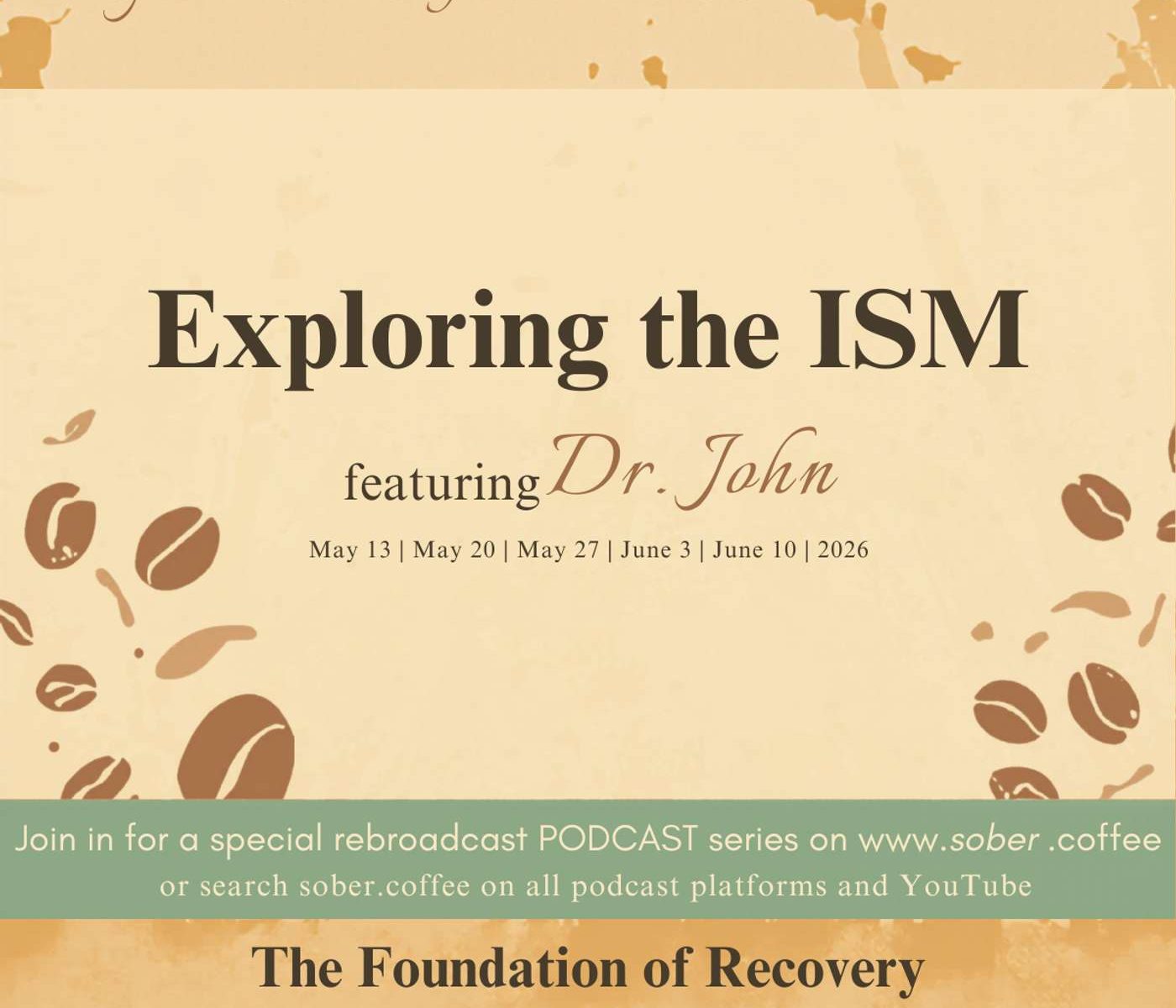
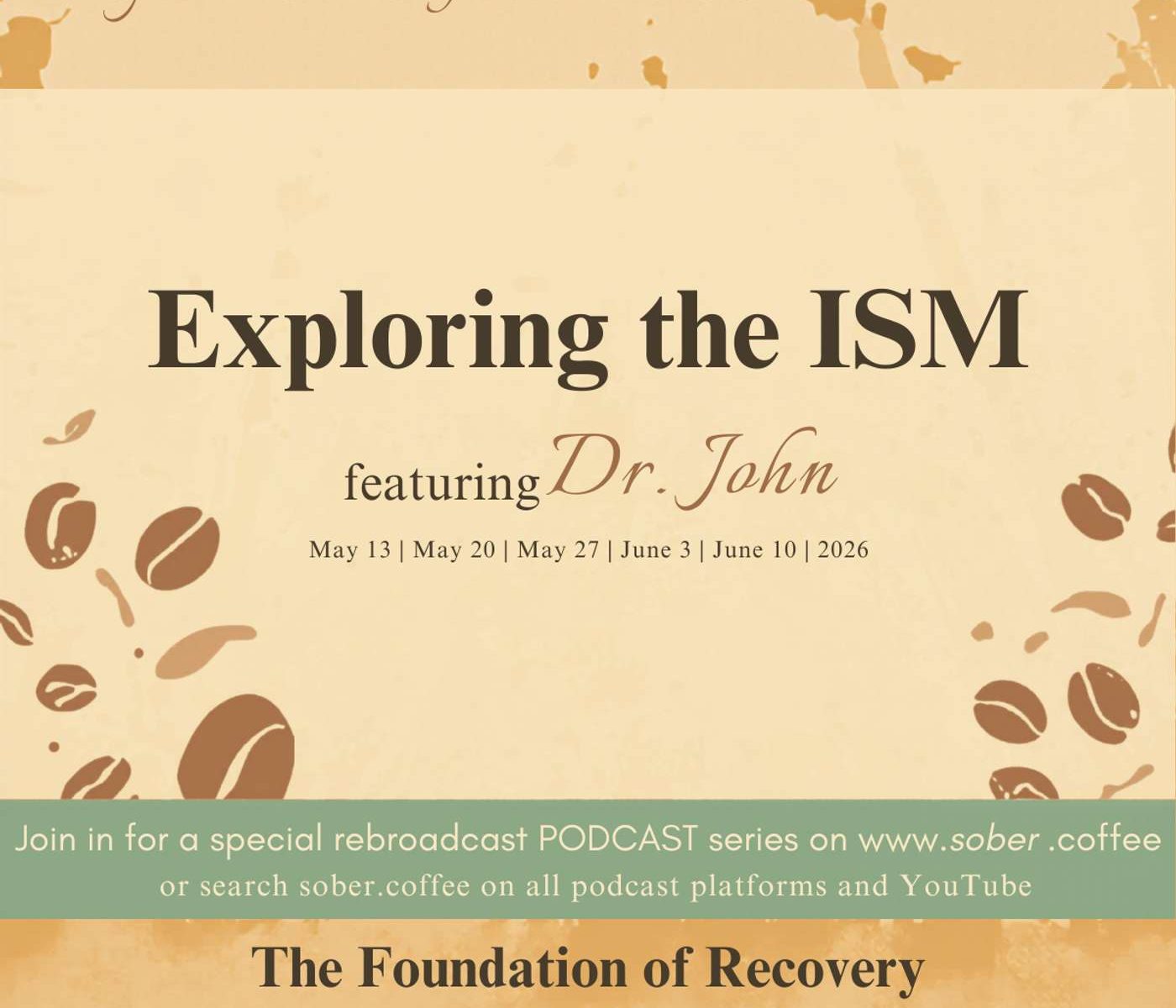
Episode Guest: Dr. John – This is a “Get Well” Program, Not a “Feel Good” Program
Hosts Mike and Glenn welcome Dr. John to the sober.coffee shop for a raw, straight-shooting conversation about Alcoholics Anonymous, the reality of working the program, and what it truly takes to get well.
The Reality of Recovery
Dr. John doesn’t sugarcoat it: AA is not about rainbows, unicorns, and puppies. It is about getting well.
With sobriety dating back to 1980—including a five-year “research sabbatical” (relapse) before getting sober for good in 2000—John uses his hindsight to fuel his insight. He views alcoholism as an “inside job.” Alcohol was his soul food, and removing it leaves a void that must be filled. Even when joy and gratitude are hard to find, John emphasizes that you are still getting better.
Key Takeaway: AA is a get well program, not a feel good program. When you are full of doubt and in a dark place, you have to trudge along, plot along, and stick around. It is in these tough times that you spiritually grow.
The 3 Basics of Working the Program (In Real Time)
When life gets heavy and you aren’t “feeling it,” John relies on three foundational steps:
Be aware. Recognize where you are at.
Check in. Talk with your sponsor and/or others in recovery.
Pray on it. Seek guidance outside of yourself.
The Trap of Self and Ego
The guys agree that when we have a problem with others, the root of the problem usually lies within ourselves. However, self cannot transform self, and ego cannot conquer ego. Because disturbed emotions impair our judgment, we cannot rely solely on our own thinking. God works through people—which is why AA is inherently a “we” program.
When you find yourself emotionally disturbed, John offers a 3-step triage plan:
Freeze: Stop and do not act.
Check in with a sponsor: A pain shared is a pain halved, and an outside perspective is better equipped to take inventory.
Pray for willingness: Pray for the willingness to accept and take direction.
The 3 Types of Direction You Might Receive:
According to Glenn, guidance from a sponsor or the program usually boils down to one of three truths:
“It’s none of your business.”
“Live the Serenity Prayer.”
“That’s just what an AA is supposed to do.”
The Art of Sponsorship & Surrender
Surrender means accepting direction. John notes that a sponsor can only be as effective as the sponsee allows them to be, adding that working with a sponsor is much more of an art than a science.
The Power of “I”: John’s sponsor famously corrected him on using pronouns like “he, she, or they” when pointing fingers. The focus must always be on “I.”
Humility Check: John’s sponsor also gave him a great reality check: “When you think you have God’s will figured out, come check with me.”
The “Broken” Paradox: The more broken we feel on the inside, the more potent we can become on the outside. John reminds listeners: You aren’t a jerk/bad person; you are just acting like one.
Honesty and Evolution
Once you are sober, there is no longer a reason to lie. However, John drops a profound truth about the nature of recovery: “You can only be as honest as you are well.” Because we grow over time, your truth today will look very different than your truth did five years ago.
Final Thought
What is relapse? According to Dr. John, relapse is simply what happens when you turn your back on recovery. Keep doing the basics, stay honest, and stick around.
Are you falling into the “Annihilation Trap?” In this episode of “The Art of Wellness” podcast, Dr. Gerry Robles DPT (Art of PT owner in Naperville Illinois) and Coach Ramy Daoud (Phoenix Sports Empire) expose the toxic fitness culture that is destroying athletes’ longevity. We break down why being “dead” after a workout is actually a sign of failure and how to train for a body that lasts into your 60s and 70s.
What You’ll Learn: – The 5 Signs of Overtraining: How to tell if your “hard work” is actually killing your progress. – Stimulate, Don’t Annihilate: The biological secret to consistent gains without the “recovery – hole”. – Real Physical Therapy vs. “Passive” Scams: Why massage and heat aren’t enough, and what active exercise prescription actually looks like. – Gym Cults & Alpha Energy: Identifying toxic training environments that prioritize ego over technical mastery. – Longevity in Combat Sports: Why “mileage” matters more than age and how to stay on the mats for life.
TIMESTAMPS: [00:00:10] – The Best Feeling: Owning Your Own Training Space [00:03:49] – The Truth About Overtraining in Combat Sports [00:04:36] – My Pro Fight Nightmare: Training While Sore [00:07:23] – Stop Chasing Soreness: Sweating vs. Real Progress [00:09:39] – Build, Don’t Destroy: A Coach’s True Objective [00:14:31] – Real Physical Therapy vs. The Passive Treatment Myth [00:21:58] – Stimulate, Don’t Annihilate: The Secret to Longevity [00:30:51] – Avoiding “Gym Cults” and Toxic Training Environments [00:37:32] – 5 Signs You Are Training Too Hard [00:41:35] – Why You Should Feel Energized (Not Depleted) After Training [00:46:04] – Grand Opening: The New Phoenix Sports Empire Storefront
Disclaimer: This content is for general informational purposes only and is not medical advice. Always consult your healthcare provider before starting any new exercise or treatment.
Yeah,
0:00
>> I’m happy for you. I think it’s super cool that you have
0:03
>> your own your own spot, which
0:05
>> Thank you. Thank you.
0:06
>> We’ll talk about more at the end, but Yeah. Yeah. How do you feel about it? Do
0:09
you feel good?
0:10
>> I feel Man, it feels just to be in control of your own space, to have your
0:14
own energy there. No one else’s energy or issues being associated with you and
0:20
your students and your your business is the best feeling. Yeah. Like
0:24
>> I can’t believe how happy I am just to spend time there. You know, after class,
0:28
my students hang out. you know, it’s tough to get people to leave. Like, it’s
0:31
just a such a good positive spot to be at. And yeah, it’s different when
0:35
you’re, you know, renting other people’s spot. It’s It’s different. It is
0:38
different.
0:39
>> Depends on who you’re renting from. I guess
0:40
>> that’s makes a big difference.
0:41
>> Yes. But it sounds like you got a good spot over there and
0:44
>> it looks cool.
0:45
>> Yeah, it does. We made it look cool.
0:47
>> Is it all red?
0:48
>> It’s all red. The walls are all red. Um, we’re hoping local blood members uh
0:53
gravitate towards us. We
0:56
>> Yes. All the Neighborville Blood. the Neighborville Blood chapter. Uh we
1:00
apologize to the Neighborville [ __ ] chapter who might
1:03
>> find issue with the color choice, but we we are uh not affiliated with any
1:09
officially. Yes. There we go. Thank you for bringing that. Yes.
1:11
>> Only red. Uh it’s all red, right? That the walls are all red and you have like
1:14
>> the walls are red, the mats are black, so there’s some cool contrast there.
1:17
Yeah. I can’t wait.
1:18
>> You did that? Yeah. I’m going to go for it, man.
1:20
>> You did that all with your students, you said?
1:22
>> Me and my students, man. I have one student named Michael who, man, he took
1:26
the lead on everything. He works. He’s like a handyman. He has a small business
1:30
and
1:31
>> he was like without him it would just be a mess. He really took the reign.
1:35
>> It seems like he got it done super fast. Like I was looking Well, I was talking
1:38
to you and then like the next week it was already all painted. I saw on
1:40
Instagram. I was like whoa that was quick.
1:42
>> Every day after training at our old location, him and I would go there and
1:47
just paint for like 3 4 hours. On the weekends
1:50
>> sometimes he would be there for like 10 12 hours. Like he’s the man. Like he did
1:54
so
1:55
>> much. Um, and he didn’t ask for anything. I had to offer, you know,
1:59
stuff to
2:00
>> reimburse him because he’s that good of a person. Like, he just wanted to help
2:04
us build our academy. My students came and volunteered,
2:07
>> you know, they I would buy them food and stuff and it still wasn’t even close to
2:11
enough for how much.
2:11
>> What’ you buy them? What kind of food?
2:13
>> Every day I ordered, man, especially me and Michael, we were Uber eating like
2:15
like pros. Every every night we’d get something different. And for me, I don’t
2:19
usually eat out that much. I try to eat healthy. So, this was a nice excuse for
2:22
me to pick out a little bit. Um,
2:24
>> but yeah, man. My students wanted to come. They were painting. They were
2:28
installing flooring. They changed the lights. Like they You saw what it looked
2:32
like. It looked like a like a classroom maybe something. Yeah. Now it looks like
2:36
>> like a real real gym. I don’t know how else to say it, but it looks like it’s
2:40
professional. It looks clean. It looks like like your sanctuary.
2:44
>> Yes. That’s what we wanted. We wanted it to be unique and represent us. We didn’t
2:48
want it to be like cookie cutter and look like every other place. Like you
2:51
never walk in someplace and like the walls are red and there’s cool like
2:54
>> Yeah.
2:55
>> I don’t know. You don’t see that that often. Um you see it more in the city in
2:58
like cool neighborhoods, right? Where you have more unique businesses. Yes. In
3:03
quotes.
3:03
>> Cool. Chicago neighborhoods. Yeah.
3:05
>> But in Neighborville, not so much, right? Usually they’re following some
3:08
sort of formula or, you know, so we wanted to be a little bit different
3:11
because we’re a different business. You know, we don’t want to look like LA
3:15
Fitness, right? Yeah. We No, knock on LA Fitness to anyone here.
3:20
LA
3:21
>> anyone listening? Yeah. Old LA Fitness crowd watching today.
3:23
>> Are they even still around?
3:24
>> I think so. Yeah, I think so.
3:26
>> I feel like they got bought out by something. I don’t know.
3:28
>> You might be right. I think one of my students works out at LA Fitness. That’s
3:32
the only reason I think there’s one in existence. Yeah, I think there’s one in
3:34
Neapville.
3:35
>> Neighborville. Yeah, we just keep calling out stuff in Neighborville. We
3:38
love Neighborville.
3:39
>> Yes, we do. Absolutely.
3:41
>> Anyways, welcome back to the podcast. I’m Dr. Jerry. Coach Rammy is here and
3:47
the theme for today that I wanted to talk about was mainly
3:51
like overtraining, training too much, which I think is notorious for people
3:56
who train combat sports, right? So, I want to ask you like up front, was
4:17
there ever a time in your training where you just kept training too much and you
4:21
knew you were, but you still kept doing it? You know what I mean?
4:24
>> Yeah.
4:25
>> Just couldn’t stop yourself, you know?
4:26
>> Yeah. Great question. in uh let’s see, was it my
4:30
in my second or uh the training leading up to my second or third pro fight, I
4:35
remember I had a strength and conditioning coach who was just so
4:39
overzealous, man. I remember the week of the fight, we were doing some super
4:44
intense workouts to the point that I remember when I competed, I competed on
4:47
a Saturday. I remember I was very sore when I competed, which is the worst
4:52
thing. You want to be fresh, you want to be eager to
4:55
>> go out there and perform. But I remember being like my calves were sore. You know
4:58
when you’re so sore when you just walk up the stairs? And that’s how I felt
5:01
going into a pro fight. And it’s because this guy had us doing incline sprints,
5:06
you know, a few days all this.
5:08
>> Yeah. What kind of stuff was he having you do? Now I’m curious like give me
5:11
some specifics.
5:12
>> So this was at the beginning where strength and conditioning became more
5:15
prevalent in MMA. So we were doing, you know, all the
5:19
>> at the time trendy exercises, flipping tires, battle ropes, sprinting on an
5:24
incline treadmill. Yep. All of that cable, you know, punching with the
5:28
cable, all the cool looking stuff that was trendy that you’d see in the behind
5:32
the scenes UFC videos.
5:34
>> Um, this guy, I believe, came from a CrossFit background.
5:38
>> Take uh from that what you will. Um, and I think
5:41
>> nothing. We take nothing from
5:42
>> nothing. We have no issues with anyone. Yes. Um, and I think he was in a he was
5:47
a in a weird spot because he didn’t train in combat sports. And I think he
5:51
felt like he had to prove that his side of things was just as tough and intense
5:55
as the combat side of things. So, it’s like, “Oh, you guys think you’re tough?”
5:58
Which, no, I don’t. I never said that. Um, we’ll try this workout and let’s see
6:03
how tough you are. That was kind of Now, looking back, I think that’s what it
6:06
was.
6:07
>> So, again, we’ve talked about people’s insecurities in the past. I think he’s
6:11
projecting his insecurity. For some reason, he’s insecure that he is not a
6:14
combat sports athlete and he wants to show combat sports athletes, listen, I
6:18
am the end all be all. I am very tough. In fact, look at this brutal workout I’m
6:22
going to put you through. Leading up to the fight, the workouts did not taper
6:27
down so that we’d be fresh for the fight. It was still like, let’s go,
6:30
let’s go. You can do never give up, never this, and
6:33
>> I’m fighting for John Cena. Yeah,
6:37
>> never give up.
6:37
>> It’s horrible, man. It’s horrible. And it affected my performance. Thank
6:41
goodness I was still able to uh find a way to win, but it was despite his
6:45
methods, not because of them.
6:47
>> So, you still won the fight?
6:48
>> I still won. And to his credit, aesthetically, like I was very lean. I
6:51
looked like I was in great shape, but
6:54
>> I was still like tired after the first round. You know, it’s it wasn’t very
6:57
functional. I looked like I was in much better shape than I was. Now, looking
7:02
back, the training should have been more functional. I didn’t need to destroy my
7:06
body during strength and conditioning. I was doing enough of that in sparring.
7:09
right now. I needed strength and conditioning that would strengthen my
7:12
body, increase my mobility, my flexibility, my agility, my reflexes.
7:17
Yeah. Yeah. But instead, it was just the hammer. Everything just beating us down,
7:21
>> beating yourself to the ground.
7:22
>> Didn’t know any better, man.
7:23
>> Yeah. And I think a lot of people equate a good workout. So, I’m just speaking
7:27
more like generalities here, like Ramy’s going to talk about obviously more fight
7:31
sports, combat training stuff. Um, I think a lot of people just with exercise
7:35
in general, they feel like they have to be super sweaty after a workout. They
7:40
have to be super sore after a workout. Like all that constitutes a great
7:43
workout.
7:44
>> When in reality, like, you know, if you think about it, just sweating is just a
7:48
cooling mechanism. It’s just your body trying to cool off. Like a sauna, right?
7:51
You’re in a sauna,
7:53
>> you’re sweating like crazy. It’s not making you any stronger, more agile,
7:56
more powerful, more, you know, explosive.
7:58
>> Yeah.
7:59
>> Um, so think about sweating that way. it’s not a a good indicator of a good
8:02
workout. Uh same thing with soreness. Soreness is more so like a your body
8:08
responding to novelty, something new, a new movement, right? That’s when people
8:12
get more sore.
8:14
>> When in reality, if you get more fit, you get less sore. Your body becomes
8:18
more efficient and at repairing itself,
8:21
>> right?
8:22
>> So, I think a lot of times people want to be like, “Well, it wasn’t a good
8:25
workout because I wasn’t like sweating like crazy at the end or I wasn’t super
8:28
sore the next day.” When in reality, if you’re more fit, you’re going to be
8:32
doing less of those things in a way. Also, if you’re always chasing soreness,
8:36
you’re never really chasing mastery in certain movements. You keep changing
8:39
your program. You know what I mean?
8:41
>> Yes.
8:41
>> And you’re never actually mastering like when you’re throwing jabs or something
8:45
like first learning boxing, you throw a zillion jabs. You don’t go to something
8:48
else right away.
8:50
>> You have to master those things first,
8:52
>> right?
8:52
>> Um,
8:54
>> so I think those two things are very important to talk about when talking
8:57
about was it a good workout? You know what I mean? Like, did I sweat a lot?
9:01
Was I super sore? Don’t worry about that so much. And we’ll kind of get into that
9:05
a little bit more as we go. But, um,
9:07
>> where do you think this came from, by the way, in your opinion? This
9:09
mentality,
9:10
>> dude. Yeah. I was going to ask you a similar question cuz I think
9:15
>> they go hand in hand, right? I was going to ask you like, why is that a thing in
9:18
fight training? Like, why do you have to be so like hardcore all the time? Same
9:21
thing with just working out in general. Like,
9:23
>> why do we have to be so hardcore? Like, I was going to ask you, you think it’s a
9:27
ego thing? Yeah.
9:28
>> And you could give me the same question. I think it is a lot of the times, you
9:32
know what I mean? Like, so what do you think it is? And then I’ll kind of give
9:35
you my response, too.
9:36
>> I think as related to combat sports, I think it is a ego thing. Often times,
9:41
I’m surprised. So, for example, at PSC, none of the coaches will be tell the
9:46
class, hey, you guys are going to be real sore tomorrow. Get ready. It’s
9:50
oftentimes the members who will before taking their first class be like, “Yeah,
9:54
you know me, if I’m not sore and, you know, dead after, I don’t feel like I
9:58
got a good work.” Like, that’s what they’re telling us they want. And I’m
10:01
thinking like, I don’t know. That’s not really my objective is to beat you down
10:06
your first class. It’s not my objective at all. In fact, my goal is to build
10:11
you, not to destroy you. Right? But they have this mentality and sometimes
10:16
they’re disappointed. They will tell us, you know, let’s say a technical class,
10:19
they learn techniques, they sparred. Yes. Of, you know, they’re moving, their
10:23
body gets hot, they sweat, of course, but they’re like, “Oh, no, you know, I
10:27
wanted more of they wanted more intensity.” In their mind, intensity
10:30
means like damage to their body, soreness. I don’t
10:33
>> Do you get that a lot with potential clients? get that with mostly I
10:39
unfortunately comes from a lot of men who were athletes before and maybe they
10:44
were trained incorrectly or had those types of coaches
10:47
>> um and they bring that mentality into combat sports not understanding that my
10:52
job is to teach you the techniques of combat sports. That’s my priority,
10:55
>> right?
10:56
>> Not to make you do like a bunch of push-ups and you can go anywhere for
10:59
that. You’re coming hopefully paying us a premium for our expertise, right? You
11:04
want to learn how to throw a knee, how to pivot, how to do arm lock. Anyone
11:08
could tell you, “Hey, do 100 push-ups, run around your building 20 times.”
11:12
Like, I don’t for me, I think that’s a waste of their time and mine to just
11:16
break their body down.
11:17
>> Right. Right.
11:17
>> Yeah.
11:18
>> Like,
11:18
>> have you had that recently with somebody? Like
11:20
>> I have. I have.
11:21
>> What did you tell them? Like, what what’s your conversation look like with
11:24
them when they say those things? I tell them that the doing combat sports is
11:30
going to be challenging for your body, especially if you don’t have a
11:32
background in it. You know, if you do jiu-jitsu and you’re trying to
11:36
somebody’s on top of you, you’re trying to, you know, push them off you, for
11:39
example. It’s going to be tiring. It’s going to be physically challenging, but
11:43
I don’t train in that way that you might be expecting. So, I tell them, I don’t
11:47
want to I want to manage their expectations. I don’t want to lie. I
11:49
don’t want to delude them. Again, I’m not a salesperson. So, I tell them, I’m
11:52
like, “Hey, some of the classes will be challenging. You will get fit by
11:56
practicing martial arts and combat sports, but that is not my goal is for
12:01
you after your first class for you to be on the mat like unable to move and I
12:05
have to peel you up off and that means it was a good training session.
12:07
Sometimes a good training session is, oh, now I know how to throw that jab
12:12
from this position. Now I know how to set up this takedown. That to me is a
12:16
good training session. So
12:18
>> yeah, I try to tell this isn’t that we’re not a boot camp. We’re not like
12:22
this is a combat sports gym where your objective and your goal should be to
12:25
learn combat sports.
12:27
>> Yeah. And let’s I mean again we’re trying to answer the question like where
12:30
does that mentality even come from?
12:32
>> Um yeah it’s I guess maybe just working out
12:36
in general is associated with like being hard and being hardcore all the time. I
12:40
mean, fighting is the, you know, the most hardcore thing you could do that I
12:43
could think of when it comes to like
12:45
>> animalistic instincts or physical um getting physical in some way,
12:50
>> right?
12:50
>> Um
12:51
>> so maybe it’s from that.
12:53
>> I know in wrestling it’s very prevalent. A lot of people come from a wrestling
12:56
background.
12:57
>> That’s where you’ll hear I hear wrestling coaches to this day saying
13:00
overtraining is a myth. There is no such thing. And they’ll cite specific
13:04
examples of people who, you know, perfor like someone like Dan Gable. When you
13:08
read the stories of his training, it’s like he ripped his body to shreds, won a
13:12
gold medal. So people think he won a gold medal because he ripped his body to
13:15
shreds. It’s like he won a gold medal despite tearing his body to pieces,
13:19
right?
13:20
>> Yeah. The mental toughness of course is a huge uh asset in wrestling, but I
13:25
don’t think you need to destroy your body to achieve that mental toughness.
13:28
So, do you tell your students like to scale back a lot? You know what I
13:33
mean? Like if they let’s say a group of them come up to you afterwards like,
13:36
“Hey, that wasn’t a hard workout or something.” Like, do you just tell them
13:39
like, “Hey, let’s Today’s objective was not to just kill you.”
13:42
>> You know what I mean? Like, how do you tell them that?
13:45
>> Yeah, that’s a it’s it’s tough. I luckily my my people my students who
13:49
have been with me for a while, they know what to expect. They know that some
13:54
class, for example, if you do a lot of sparring, you’re going to be pretty
13:56
tired. Sparring is stressful. Therefore, it’s tiring, right? Your heart rate’s
14:00
up, there’s you’re nervous, people are throwing strikes at you, it’s tiring.
14:04
Um, but if you come to a uh technical kickboxing class or even an advanced
14:09
kickboxing class, our goal is again not to tire you out. If that happens through
14:14
the process of you learning the techniques and you enjoy the workout,
14:17
wonderful. But that’s never our goal. I’ve never talked with
14:20
>> our coaches and said, “Oh, today we’re really going to take it to them. We want
14:23
everybody to feel like dead at the end.” We never say that. Mhm.
14:26
>> So, I know some people are looking for that and I guess we’re not the right fit
14:30
for them.
14:30
>> Yes,
14:31
>> that makes complete sense. I think this is I just thought of this right now, but
14:34
like you know, working in physical therapy, people think
14:37
>> physical therapy is just like me massaging them for an hour,
14:40
>> right?
14:41
>> When that could not be further from the truth.
14:44
>> Uh physical therapy is called physical for a reason. You know what I mean? It’s
14:47
exercise prescription for your specific pain or injury, right? You can’t get
14:50
better just laying there doing nothing.
14:53
>> Like I mean, equate it to anything. Like if you have back pain for example
14:57
>> I mean if you do nothing will it go away maybe probably um are you fortifying the
15:03
area your back getting it stronger building capacity so it won’t happen
15:06
again no if you just sit there and do nothing happens there’s no adaptations
15:10
in your body right so I think the flip side of that like in PT with me again
15:16
people think it’s just like I’m going to massage their back it’s going to feel
15:19
good that’s all we do when in reality real physical therapy is
15:24
>> you know people start sweating. We do a lot of core exercises, a lot of hip
15:27
mobility stuff, a lot of thoracic mobility stuff, whatever that person
15:30
needs that I’ve assessed, whatever impairments that I find, you
15:35
know, that’s how we um actually do the treatment plan and it’s a lot of
15:39
exercise and they’re sweating. And then at the end they’re like, “Hey, Jerry,
15:42
why was that? That was like a workout.” I was like, “Yeah, that’s real physical
15:45
therapy,
15:46
>> you know?” And if your physical therapist is not doing that with you,
15:49
please leave cuz they suck.
15:51
>> Um but yes, that’s real PT. Um,
15:54
>> where do people have why do people have that misconception that physical therapy
15:58
is somebody being massaged for like an hour for example? Where does it
16:01
>> Oh, I I mean maybe because it was that in the beginning and research has
16:06
shifted to active treatments. Active meaning the patient is actually moving.
16:11
>> Yeah.
16:11
>> You know what I mean? As opposed to passive treatments meaning the patient
16:14
is just laying on the table and you crack their backs or you massage them or
16:18
you
16:19
>> dry needle them which are fine. And I mean there’s nothing wrong with those
16:22
things if it makes them feel better.
16:24
>> But if you spend the whole session doing that and the person is not moving and
16:27
getting more functional and getting stronger, building capacity,
16:31
>> they’re never going to learn the tools to stay painf free their whole life.
16:34
>> I see.
16:34
>> You know what I mean?
16:35
>> Yes.
16:36
>> And I don’t know why that’s still around. There’s plenty of PT clinics,
16:40
other clinics that just have the person lay there and
16:43
>> do a weird stretchy machine and, you know, do some other bull crap that does
16:48
nothing. M
16:49
>> um yet they still sell it as real physical therapy when it’s not.
16:53
>> I see. I see. Would you say most people in your profession that’s how they
16:58
approach the sessions is through this method that you feel is not?
17:01
>> Yeah. I mean Yeah. Yeah. I mean I think it’s definitely shifted but I think it
17:04
should still be more on the exercise prescription uh part of it. Got it.
17:09
>> Depending on the person mostly I would say more people need more movement than
17:14
laying on a table getting their hands put on them by somebody.
17:17
>> Right. Makes sense. Um, and again like you know coming from corporate
17:20
healthcare, corporate physical therapy, um, a lot of it is
17:26
I’m going to start going on a rant here. I don’t want to.
17:29
>> So I’m trying
17:29
>> We’ll come back to that.
17:30
>> We’ll come back to that at the end. Um, but I wanted to ask you more so about
17:35
like
17:36
>> um the ego stuff, you know, and fighting.
17:40
Um,
17:41
>> do you think that’s a big part of it? like just like guys wanting to be like,
17:46
you know, macho guys and like I have to train it hard or else it wasn’t a good
17:49
workout. Is that like a a root cause of this in a way? You know what I mean?
17:54
>> I think so. I think um you know, every combat sports gym will say they’ll
18:00
advertise and say, you know, we don’t allow egos in here. And of course,
18:03
they’re all liars, right? You go the gyms that say we don’t have ego here are
18:08
the ones where you’re going to find the most ego. Um,
18:11
>> so yeah, it’s a big part of combat sports, unfortunately. And that’s
18:15
something where I was so tired of it that when I started PSSE, I’m like, I
18:21
don’t want to be repeating the same toxic nonsense that I’ve been a part of,
18:26
you know, as a student, as an athlete, as a fighter for decades now. So, I was
18:31
like, okay, in my own little world, we’re going to change this. And I
18:34
noticed
18:35
>> when we go to competitions, our our athletes, we’re very lucky. they do very
18:39
well. But it’s funny cuz we don’t walk around with the same kind of weird like
18:45
alpha male energy. And to me that’s exhausting. Um it’s super performative.
18:51
It comes from as we’ve talked about in the past from extreme insecurity and it
18:55
has nothing to do with a triangle choke or a butterfly sweep or a switch kick.
19:01
your ego and your weird, you know, self-d delusion and
19:05
>> your insecurities have nothing to do with performing techniques correctly and
19:08
making good decisions, which is what leads to a a good fighter. So, yeah, ego
19:12
is a huge pro a huge problem in combat sports and it leads to things like
19:16
overtraining, training through injuries, uh students being led by their coaches,
19:21
and usually, of course, it’s always the coach’s fault, right? Everything’s from
19:24
the top down. You can the students might not know and say, “Hey, I want a good
19:28
workout. I want to be sweating. I want to feel dead tomorrow. It’s the coach
19:31
that should say, “Hey, that’s actually not the good thing that you think it is.
19:35
My job is to train you to be a skilled
19:37
>> uh combat sports athlete.” So, I think this is an issue from the the top down.
19:42
Like most issues, the the problem starts at the top. And
19:46
>> when we push this narrative, even when you see
19:50
>> and come and when you watch the behind the scenes stuff of like a UFC fighter,
19:52
you oh man, he’s the only seven days a week and this that’s nonsense, man. I
19:57
know these people. They’ve not trained seven days a week. They’re not trained
19:59
eight hours a day. They’re they’re overdoing it. They’re they’re
20:03
>> faking it because the story is very exciting. We’re influenced from
20:07
>> everything from Rocky movies to this where it’s like you always train
20:10
non-stop. It’s just not true, man. Your body can
20:14
only, as you know better than anyone, your body can only handle so much,
20:17
right? You have to be smart with that output. Y
20:20
>> when you overdo it, at a certain point, there’s definitely diminishing returns.
20:24
I’d rather somebody if you’re a skilled fighter, just my opinion, I’d rather you
20:29
be slightly undertrained than slightly overtrained going into a competition.
20:34
That’s just me in my I could be wrong. Some people will be. But if you have the
20:38
skill, you have the aerobic base, you have the experience,
20:41
>> I’d rather you just go in there and be efficient, use technique, be smart,
20:44
breathe, be tactical, than to be overtrained going there with a weakened,
20:49
depleted body,
20:50
>> sore,
20:51
>> sore, cutting too much weight. Like we see that that it doesn’t help. Um we see
20:56
fighters in the tail end of their career drop like another weight class down
21:00
thinking this is going to be it for and now they’re getting knocked out cuz
21:03
they’re dehydrated and their brain’s getting rattled.
21:07
>> So it doesn’t help anyone. It’s um it’s it’s it’s negative. It’s negative to
21:11
have this mentality that we need to harm ourselves to become stronger.
21:15
>> This episode is brought to you by Thorne Supplements. I’m a proud partner of
21:19
Thorne. You can use my link in the description for 10% off. Thorn products
21:24
are backed by science and trusted by health professionals and athletes. Many
21:28
Thorn products are NSF certified for sport, meaning what’s on the label is
21:32
actually in the bottle. So Thornne’s great. They focus on high quality
21:36
ingredients and clinical testing for purity and potency. Thorne offers
21:41
personalized health solutions across nutrition, sleep, focus, energy, and
21:46
recovery, which is perfect for my podcast. So, Thorn Supplements, thanks
21:51
for sponsoring. Link is in the description. 10% off. Check it out.
21:56
Thank you again to Thorne.
21:58
>> I think the a very old saying, but I think it’s still a good one, is the
22:02
whole like stimulate, don’t annihilate
22:04
>> uh saying.
22:05
>> I haven’t heard that. It’s new to me.
22:06
>> Um, it’s definitely again like exhaustion training, if you want to call
22:11
it that. You could apply it to any sport, you know what I mean? Not just
22:13
fighting. Um, I I work with people that, you know, Olympic weightlifterss, um,
22:20
people training for the high rocks. Everybody loves the high rocks nowadays.
22:23
>> Well, I hear about I don’t know what stuff is. I’ve heard I think I have a
22:26
student who has done it, too. Yeah. I don’t know what it is, though.
22:28
>> People getting injured left and right from the high rocks from pickle ball.
22:32
Um, but
22:33
>> high rocks is just like a competition, a bunch of different lifts and stuff and
22:36
like Yeah. Big fitness competition.
22:39
>> Got it. Got it. Um,
22:40
>> but like you know exhaustion training for those things like needing or having
22:45
to think you need to train super hard all the time.
22:47
>> You’re just annihilating yourself and you’re just digging a recovery hole that
22:51
you can’t get out of or you can but it takes a longer time than you think it
22:54
does,
22:55
>> right?
22:55
>> Um,
22:56
>> your body needs
22:58
>> to have stress put on it, right, in training. That’s what training and
23:01
exercise is. It’s stress, right?
23:03
>> But you need just enough to recover from efficiently and not too much to where,
23:07
like I said, you’re digging yourself into a hole. Yeah.
23:09
>> And then again, you feel like crap and then your training suffers and you’re
23:13
think, why is this happening to me? Well, cuz your training is not well
23:16
built. It’s not well progressed. It’s not planned out accordingly by a good
23:19
coach, a good trainer.
23:21
>> Um, so
23:23
>> yeah, I mean, I see it all the time still because I mean, the people I work
23:26
with now, they’re more so like higher level athletes. They’re active people.
23:29
They want to compete in a high rocks. They want to do a a weightlifting
23:32
competition. They want to do
23:34
>> jiu-jitsu competition. And you know, they have this
23:38
misconception of I need to be training hard all the time.
23:41
>> Yeah.
23:42
>> And it’s true in every sport, man. Most sports. Um, and again, it’s it’s it’s
23:49
hard to tell where that comes from in a way, but you know, part of my job is
23:54
telling them to, hey, like that’s not smart. And it’s part of your job, too,
23:57
like you said, right?
23:58
>> Um, and people don’t like to hear that sometimes, and they’re like, well, well,
24:02
why not? Like I need to be hardcore all the time. Then they get injured. to have
24:05
these weird aches and pains. I’m like, well, that’s why cuz you’re not
24:08
progressing accordingly.
24:10
>> Yes.
24:10
>> You need to have recovery days. You need to have appropriate rest days and like,
24:14
you know, D lo weeks, whatever you want to call them.
24:17
>> Um, and it still shocks me that people uh higher level athletes or people that
24:22
um are very fit don’t know this.
24:25
>> Yeah. And I have to kind of rewire their brain a lot when it is someone competing
24:29
in a high rocks or an avid marathon runner that I have who tweaked their
24:33
knee or a jiu-jitsu guy who has back pain forever because he can’t stop
24:39
training super hard.
24:40
>> Yes.
24:41
>> And is that like and again I talk to people like this all every every time
24:45
and it’s like it doesn’t click in them right away. They’re like what do you
24:48
mean? They’re like their brain blows up. Like do you see that too? like they it
24:52
can’t they can’t compute that for whatever reason
24:54
>> all the time, man. They think that this is just
24:58
>> your destiny as a combat sports athlete is to destroy your body. And that’s why
25:03
you see you don’t see a lot of 50, 60, 70 year olds doing jiu-jitsu. Yeah, they
25:08
you should you should be in theory you should be able to do jiu-jitsu at any
25:12
age, right? Or even boxing, kickboxing. You’ll see rare you’ll see outliers and
25:17
those are people who took care of their body, right? Um, I always tell people,
25:21
in my opinion, it’s not the age, it’s the mileage. Right? You could be 25 and
25:25
have a real, you know, two torn knees, a torn this, torn that, and you could be
25:29
done for. Or you could be 50 with no serious injuries or or physical trauma,
25:33
and you could keep training for another few decades.
25:36
>> Um, I know jiu-jitsu people who, you know, by the time they’re 45, they can’t
25:41
walk up the stairs, their fingers are all messed up, both knees are me, and
25:45
they think it’s normal. I’m like, this is not normal. The way you trained was
25:48
actually,
25:49
>> you know, people are going to make fun of me and say like I’m so The way they
25:52
trained was actually abusive. Literally, like you
25:55
>> were led, misled by irresponsible instructor. Usually they worship. So
26:00
it’s hard to tell them, hey,
26:02
>> your instructor might be a well-intentioned good guy. I’m not
26:05
saying they’re not, but he was wrong. The way you train was wrong, right? You
26:08
know, tearing your body up by the age of 30 or 35 is wrong. That means the
26:13
training was incorrect. means something was yes not
26:16
>> being performed uh or not being done correctly at your academy. Doesn’t mean
26:20
your coach is an evil person, but it means he didn’t know what he was doing
26:23
in terms of training people for longevity. My job isn’t to just let
26:27
people train during their prime so that they compete a few times when they’re
26:31
28.
26:31
>> I want people to train when they’re 50. I want people to train when they’re 60.
26:35
>> Yeah.
26:36
>> It’s depressing when you can’t perform the sport you love. I know people who
26:39
can’t do jiu-jitsu anymore. And you It’s depressing, man. they lose a part of
26:43
themselves.
26:44
>> So, it’s like why should we aim to destroy our body
26:47
>> by the earliest age possible to what? To have some war stories to prove
26:51
something.
26:52
>> You know, most of the time, even if you’re a jiu-jitsu world champion, most
26:55
of the time you’re paying to compete. You’re getting some plastic metal that
26:58
nobody cares about and you’re destroying your your health and your physical
27:02
wellbeing for this.
27:02
>> Isn’t it funny how like I mean that’s exercise, right? Exercise is for
27:06
longevity and feeling good, not beating yourself down. So, they’re kind of doing
27:10
the complete opposite. what they should be doing.
27:13
>> And again, like I told you, it’s hard to rewire somebody’s brain when they’ve
27:16
been,
27:17
>> you know, taught that or that thinking is embedded in them for for years.
27:21
>> And but the funny thing is when it does click in them
27:24
>> and you you know, I kind of get my point across to them, they’re like, “Oh,
27:28
>> I do feel better.”
27:29
>> Yeah.
27:30
>> Oh, you mean doing adding in some prehab work and mobility stuff and like scaling
27:34
back my training a little bit
27:35
>> and like getting better each week? Like, oh, that that actually works. I’m like,
27:39
“Yeah, magic, right? figure. Yeah.
27:41
>> Um, and the funny thing is like those guys that like you say like, you know,
27:44
that do jiu-jitsu and their, you know, their back is all messed up and their
27:49
shoulders all messed up, then they go to PT, they go to a crappy PT and they say,
27:54
“Oh, it doesn’t work.”
27:55
>> Well, because they saw a crappy physical therapist and they just massage them the
27:58
whole time or they did some weird stuff that does nothing.
28:00
>> Yeah.
28:01
>> They did some electrode stuff and red light therapy up there, you know, in
28:05
eyeballs or whatever.
28:06
>> Right. Right. um when they should be, you know, like I said, a lot of it is
28:10
lifestyle changes, you know, checking their programming, uh like I said,
28:14
lifestyle habits, um and active movement, moving and you know, getting
28:18
stronger for their respective sport.
28:21
>> Um but that’s a whole other topic. Again, we’ll come back to that as I keep
28:25
going on my PT rants here. I think a good a good mindset shift for people is
28:29
like
28:30
>> instead of like gauging how depleted you are after a workout, gauge how you
28:36
perform during the workout.
28:38
>> You know what I mean? Like don’t gauge the workout based on how
28:41
>> uh exhausted you feel afterwards. Base it how’s your performance during the
28:45
workout? Did you feel strong? Did you feel fit? Did you feel explosive,
28:49
>> agile? Was your footwork good? Whatever, right? as opposed to like um gauging it
28:54
off how depleted you feel after a workout. Um
28:58
>> and again, it’s it just it’s crazy how people don’t understand these things and
29:02
I have to
29:04
>> and again, you would think they’re they’re more wellversed in exercise. At
29:07
the same time, it’s it’s great. Like I love helping them and kind of doing my
29:10
best to rewire their brain, but um it takes a while, but once you kind of get
29:14
through to them, they’re like, “Oh, this does I do feel better now. My body is
29:18
not fighting me.”
29:19
>> Because it shouldn’t be. Like I said, like exercise supposed to make you feel
29:22
better, give you more energy, not make you feel run down all the time?
29:26
>> I agree, man.
29:27
>> So,
29:28
>> um, yeah. Was there ever a time when your training like you plateaued
29:32
>> and how did you get out of that training like feeling overtrained?
29:36
>> Yeah, I think, you know, for me it was I didn’t know at the time because I
29:41
trained at a very reputable, renowned uh academy for a long time.
29:45
>> Oh, you want to call them out? I’m just kidding.
29:48
>> They already hate me enough. So, I’ll
29:51
>> um
29:53
>> and I thought, you know, I joined this academy maybe when I was around 20 years
29:57
old. So there’s UFC fighters there and people I looked up to
30:01
>> and you know so I thought that because they had successful pros
30:06
>> um that they of course knew what they were doing and to some extent they did
30:09
in terms of teaching skill set they they did
30:12
>> but I remember as fighters would get closer and closer to 30 they’d be done
30:17
for and the coaches would even you know when I’d hear them talking about
30:20
fighters that and they didn’t know that anyone could hear like oh yeah that guy
30:23
he’s 28 he’s almost 30 like he’s going to be done
30:26
>> over the hill
30:26
>> and I’m like Wait a minute, that doesn’t make any sense. Um, and I realized it
30:30
was their training methods. The way that they trained, you are destined to be
30:34
done for by age 30. If you have 10 years of, you know, horrible training, um,
30:39
this was a gym where people would be knocked out regularly during sparring.
30:43
>> Um, it was no big deal. Like sparring was at 100%. You know, two, three times
30:48
a week at 100%. Leaving this environment is the best.
30:53
Whether it’s, you know, a fitness gym, a boot camp, whatever. Leaving this type
30:57
of environment is the number one way to extend your career and have longevity.
31:01
You have to leave
31:02
>> people who believe that this is the right way to train. Even if
31:06
>> yeah, they have a fighter who is this champion or this. Remember, these people
31:09
are doing well despite these training methods, not because of them. And it’s
31:13
hard when you’re in the thick of things to
31:14
>> Oh, yeah.
31:15
>> determine what’s what, right? Especially when you’re
31:18
>> young and you’re, you know, you don’t know. you think this is the way and I’m
31:21
just not tough enough.
31:22
>> And after a while you realize like I’m not gaining anything except a bunch of
31:26
lingering injuries and a bunch of
31:28
>> So you were feeling that.
31:29
>> I was feeling Yeah. Like you know man my el I can barely extend my arm. I can I’m
31:33
like in my you know early to mid20s and you know now I still have elbow pain in
31:38
both elbows from you know submissions being cranked like crazy in in jiu-jitsu
31:43
or MMA practice. And I remember the way people would spar there. It was
31:47
ridiculous. And I feel like it’s important to look at your training
31:51
environment objectively so you make you can make the best decision for yourself.
31:55
And unfortunately a lot of especially in combat sports, your training environment
31:59
becomes
32:00
>> almost like a second family, right? So you really feel like you’re a part of
32:04
this crew and it’s hard because you’re not only losing your academy, but you’re
32:08
losing a social circle.
32:10
>> And most gyms do operate unfortunately like cults where when you leave them
32:14
your persona nonrada, right? like, “Oh, you left like forever.” Yeah, it’s
32:18
>> it’s very weird, but this is very common, actually.
32:22
>> Still Oh, yeah. There are coaches now that I know of that will not allow their
32:26
students to train at other gyms. Allow. How do you tell a grown adult where they
32:30
can go and what they can do? Imagine having that control.
32:34
>> You can’t stop them, but they’re not allowed, right? So, you’re not going to
32:37
physically stop them, but you’ll be kicked out. It’s weird.
32:40
>> Yeah. I would have people visit PSC and they’d be like, “Hey, please don’t take
32:43
any pictures or any video.” Like if my coach sees this, you know, I’m going to
32:47
go
32:47
>> these are like grown men, you know, these are lawyers and engineers and
32:51
accountants, like people with careers and families, and they have to hide from
32:54
their jiu-jitsu coach.
32:56
>> It is very, this is way more prevalent. Uh people don’t talk about it. I don’t
33:00
know why
33:01
>> because I think most jiu-jitsu are like this to some extent. Most combat
33:05
sportsmies are like this to
33:06
>> around Neapville. Should we start
33:08
>> everywhere, man? Neapville and everywhere else. And if people are
33:12
watching and they train, they can at least think of if they have training and
33:15
they’ve trained at several gyms, I guarantee they can think of one gym
33:18
where they’re like, “Oh, yeah. This this definitely fits.” It’s
33:22
>> it’s common, man. Especially martial arts is weird cuz
33:25
>> it comes with that such a power imbalance from instructor and student,
33:29
right?
33:29
>> And that can create a really weird
33:32
>> place and a really weird environment for all types of abuse, right? So that’s why
33:37
it’s prevalent. And that’s why if you pay attention to combat sports, you see
33:40
more and more stories coming about instructors behaving inappropriately
33:44
with members, instructors grooming people, instructors abusing people,
33:48
harassing people. It is normal and um it shouldn’t be. It’s it’s horrible. But
33:54
this is the type of environment that combat sports and martial arts can
33:57
create.
33:58
>> Uh unfortunately, anytime there’s a severe power imbalance, you’re going to
34:01
find
34:01
>> like that weird power dynamic. Yeah.
34:03
>> Yeah. Unfortunately. So, like when you were training at that gym, like how did
34:07
you get out of all those aches and pains that you were having? You just kind of
34:11
stopped going there and you kind of just took a break from it or like what do you
34:14
think helped you the most get out of those many injuries?
34:17
>> I I didn’t. While I was there, I didn’t. I would what I would think is, okay,
34:22
when I’m in there and I’m warmed up, I’ll be okay. And yeah, it was true. I
34:25
was able to get through the sessions once I was warmed up and that injury I
34:29
can’t feel it and I have some adrenaline my body’s warm but then after I’m in the
34:32
car feeling like I got ran over by a truck all over again. So while I was
34:35
training there, I you know, some days I would skip sparring, for example, which
34:40
would which got earned me the ridicule of my coach, right? Who would say that I
34:45
was afraid of sparring or I didn’t want to? I mean, I I found out, you know,
34:50
through through uh reputable sources. And I’m think I’m like, I’ve been here
34:54
for years. I’m a pro fighter. I’ve spar I’ve got gotten knocked down from body
34:58
shots. I’ve gotten liver shots here. I can’t bre I think I’ve proven that I’m
35:02
tough. So, if I don’t want to get my brain rattled three times a week at 100%
35:06
power, mind you, by people who are sometimes 30, 40, 50 pounds bigger than
35:10
me. Yeah. Right. Isn’t that horrible on my end?
35:14
>> Um, so yeah, if you didn’t follow the protocol, you were seen as
35:18
>> somebody who didn’t buy into the program. And that is a threat to a
35:21
program that is running effectively as
35:24
>> a cult of sorts. It wasn’t a cult like we weren’t doing weird, you know,
35:28
ceremonies and stuff, but I think cultish behavior
35:32
>> it would be more interestingly I have better stories to tell. But
35:35
>> for me, cult behavior is when you just blindly follow whatever the leader is
35:39
saying. And in my case, it was show up to sparring no matter what. Show up to
35:42
training no matter what. Do this. The way we do things are right. Don’t train
35:46
anywhere else. Blah blah blah. To me, this is cultish behavior. It’s not a
35:50
normal academy behavior where I’m paying for a service and somebody’s supposed to
35:54
teach me something, right? Imagine you go to learn to play the violin and the
35:57
instructor’s like by the way if you ever go to any other violin teacher we will
36:00
find you and we will you know you’d be like okay yeah exact but at martial arts
36:05
that’s normal this this conversation will really happen as laughable as it is
36:09
right now with you and I but
36:11
>> I’m telling you man this is the norm and that’s why
36:14
>> just like you feel so strongly about your business and it being a response to
36:19
the normal ways of physical therapy I feel the same about PSSE this is a
36:23
>> PSC is here because it’s a response to the
36:27
horrible ways that people are being treated.
36:28
>> Same with art of PT like man like like you just said like
36:33
>> you know working with a client or a patient like it’s a collaboration. It’s
36:36
not like I say do this you do everything I say like if someone tells me something
36:41
>> I take you know inventory of it and we work together as a team. It’s not just
36:45
like
36:46
>> I’m the end all beall like uh you know those cultlike trainers you know what I
36:50
mean? It should be similar. Like if your student comes up to you like, “Hey, like
36:54
whatever.” They say something to you, you’re like, “Okay.” You listen to them
36:56
and you kind of adjust a little bit. You’re not like, “No, that’s the wrong
36:59
way of doing it.” That’s just weird. Like
37:02
>> it is strange, man.
37:03
>> I don’t get how. Yeah. But again, it’s a response. Like
37:06
>> your response to those bad cultish uh training uh gurus or whatever. My
37:11
response to bad PT is like
37:14
>> it’s a collaboration. It’s more um more active um on the patients part. But
37:20
again, it’s a it’s something that we both feel strongly about and yeah,
37:24
that’s why we’re here talking about all this and we’re gonna keep doing it. So,
37:27
>> absolutely.
37:28
>> Um,
37:28
>> so I think a few good things to remember about
37:32
>> knowing that you’re training too hard. Like a few signs that I came up with are
37:36
like
37:36
>> lingering soreness for more than 48 hours.
37:40
>> Okay.
37:40
>> Um, like after two days, it should stop to you should stop being so sore. If
37:44
you’re still sore for like a week, you’re probably training too hard. Uh
37:48
same with uh if your performance starts to drop week to week that means you’re
37:53
doing too much.
37:55
>> Also if motivation starts to drop also a sign you’re doing too much in your
37:59
training whatever training again for you combat sports high rocks training
38:03
crossfit Olympic weightlifting runners my runners are very are notorious for
38:08
running a lot and not stopping.
38:11
>> Like why do I have knee pain? I yeah you I keep running a zillion miles a day. I
38:14
don’t know what to do. Um, but I’m there to help you obviously. Um, you know,
38:19
small nagging aches and pains, like I said, that kind of stack up that you
38:22
you’re kind of ignoring throughout the week or week to week. Yeah.
38:25
>> Like, well, this isn’t going away. Well, you’re doing too much probably. That’s
38:28
why,
38:28
>> right?
38:29
>> Um,
38:30
>> also a big one I feel is or you know, I know is more so like, you
38:36
know, hopefully you warm up right before prior to training. Um, you’d be
38:40
surprised how many people don’t warm up still for anything, any sport, any
38:44
weightlifting activity. Um, runners, yeah,
38:47
>> runners don’t even they just start running.
38:49
>> That’s a good point.
38:50
>> Please warm up. And we’ll talk about that a different podcast, but like
38:53
>> if you’re doing your warmup and you already feel like crap,
38:57
>> you’re probably doing too much before all that. You know what I mean? Your
39:00
performance should be good during the warm-up to prep you for,
39:03
>> right,
39:04
>> uh, your sport.
39:04
>> Yes. Um, but if you’re doing your warm-up and you already just feel like
39:08
dump,
39:09
>> well, that’s a sign you probably been doing too much the past few weeks. So, I
39:12
think those five signs are a good way or a good barometer for people to kind of
39:16
like um think about like, hey, am I doing too much?
39:20
>> Yeah.
39:20
>> So, um, great five things right there that I I came up with. Um but um
39:27
again like I think a big thing is like that culture of exercise and fighting
39:33
like we have to do more.
39:35
>> Yeah.
39:36
>> Um so what do you think the best way is to
39:40
>> I guess rewire someone to not think that. What’s like a give me some
39:45
examples of like I don’t know phrases you use to somebody or how you tell them
39:49
to like not do that as much. Like say someone comes to you in one-on-one and
39:54
you’re like you try to tell them like hey scale it back a bit. How do you how
39:58
does that conversation look?
39:59
>> Yeah that’s a great question. Um I remember for us as a hobby you you know
40:04
GSP’s trainer amazing coach.
40:07
>> He said something interesting years ago. He said if you work out let’s say you
40:12
want to do pull-ups and your maximum is 10 pull-ups. He’s like, “When you do
40:17
that max, you’re going to be sore for so long.” And basically what he was saying
40:22
is somebody who does two or three pull-ups a day over the course of a year
40:26
will do far more pull-ups than the guy who does his max and then takes a week
40:30
to recover.
40:31
>> So I always try to instill in my students that it’s consistency over
40:36
intensity. A lot of people start and they come in and they’re
40:40
>> gung-ho, super intense. Coach, I want to fight. You know, usually anyone who
40:43
comes in saying they want to compete,
40:45
>> first of all, never ends up competing, right? It’s usually the students who
40:48
come in because they want a new hobby or they want to learn something. People
40:51
have more like humble goals at the beginning actually turn out to be the
40:56
most successful competitors. The people that come from day one, yeah, I want to
40:59
be a fighter. It’s, you know, something I’ve always wanted. But
41:02
>> I can’t even think of one example of somebody who came in saying they want to
41:05
be a fighter who ended up competing. Wow.
41:07
>> Yeah. Cuz the idea of fighting is way cooler than the reality, right? getting
41:11
your hand raised. Yeah. Looks think of all the work that gets that goes behind
41:16
that, right?
41:17
>> Um,
41:18
>> so yeah, I I try to always say consistency beats intensity. I’d rather
41:21
you be consistent than intense. I’d rather you come two or three times a
41:25
week for five years than to come seven days a week for three months and then
41:29
fizzle out. Your body’s done. You you hate the sport. You’re not looking
41:32
forward to it anymore.
41:34
>> Um,
41:35
>> and I like what you said that you should feel energized. Because you should feel
41:39
good after a workout. You should you should be like buzzing almost after a
41:43
good training session. You feel like, man, this feels great. I feel good. You
41:46
should feel confident, right?
41:48
>> You shouldn’t feel,
41:49
>> you know, depleted and done for and exhaust. Like, man, how am I I can’t
41:53
even drive home. I remember nights where I’d be sitting in the car, like too
41:56
tired to even start my car and drive home. Like, that’s that’s not good.
41:59
Something went wrong during that during that training session. So,
42:03
>> yeah, I tried to change the way they view their workouts, their training
42:08
sessions. Are you better today than you were one month ago? Are you getting
42:11
better with every class? Are you improving? Would you of today defeat the
42:16
U of three months ago or six months ago? And if the answer is yes, we’re on the
42:19
right track. You know, if you want to compete, yeah, there will be challenging
42:23
training sessions where you’re going to be fatigued and you’re going to be
42:25
pushed because you need to in order to be a competitor.
42:28
>> Um, but we’re not just going to
42:30
>> break your body down every day because you have some weird idea of what a
42:34
training session should look like. Yeah.
42:36
>> You know, I’m they’re coming to us. We are the experts, right?
42:41
>> We’re not going to I don’t really This sounds I don’t care much about like
42:45
feedback or their opinion or blah blah blah. Like I know what I’m doing. You’re
42:49
coming here. I’ve been doing martial arts for 34 years.
42:52
>> I will I will organize this.
42:54
>> Yeah. We want what’s best for them. You know, I’m not telling you this to like
42:57
why would I tell you this to make your training worse. Exactly. It’s not my job
43:01
to That’s just weird. Like why would I do that?
43:03
>> I’m trying to help you as you are trying to help your students. Uh, I think a big
43:07
a big kind of mindset shift too with people recently that I’ve had um is like
43:13
they always tell me like, “Well, I felt good that day, so I did more.”
43:17
>> Like my weightlifterss, my runners, they’re like, “Well, I felt great that
43:21
even though it’s not in their plan that I’ve given them.”
43:24
>> Yeah.
43:24
>> They’re like, “Well, I felt great that day, so I maxed out on my squat or my
43:28
overhead squat.”
43:29
>> And then the next day, they’re like, “Well, I feel like crap again.” I’m
43:31
like, “Well, that wasn’t in the plan. Just because you feel good doesn’t mean
43:35
you should do more. Stick to the plan.
43:37
>> Stick to being smart about your training.
43:39
>> And again, just be just because you feel great doesn’t mean you should be doing a
43:43
zillion more squats or a zillion more miles on the run, a zillion more
43:46
pull-ups, like you said,
43:48
>> a zillion more sparring sessions.
43:50
>> Right. Right.
43:51
>> Save that for later. Save that for your competition.
43:54
>> And again, that’s a big u mindset shift for people. And again, you can kind of
43:59
see that in in their heads when I tell them that. They’re like, “Wait, that’s
44:02
right.” but I don’t want to listen.
44:04
>> You know what I mean? But eventually they get it. And again, we want what’s
44:07
best for our clients. You know, we want them to succeed in fighting in getting
44:11
painfree with physical therapy.
44:13
>> Um so we’re not telling you this to like not make you be hardcore. You can still
44:19
be hardcore, you know?
44:20
>> Exactly. Exactly.
44:21
>> Um hardcore and smart.
44:23
>> Yes.
44:23
>> Um
44:24
>> but yeah, man. I mean, again, like you mentioned in the beginning, like overt
44:28
training is very hard to get to. Um, so I agree in that way, but the people I
44:33
work with, they’re such go-getters and um, they’re already like very good
44:37
athletes. So, I have to kind of tell them to kind of chill a bit,
44:40
>> add in some of this rehab stuff we’re doing, exercises, prehab stuff,
44:44
>> and then we’ll come back to that stuff. And again, in the beginning, it’s tough.
44:47
It’s a tough conversation,
44:49
>> but again, in the end, it they’ll feel better in the long run, and their
44:53
longevity will it’ll last.
44:57
>> That’s so true.
44:58
>> Their their bodies will last longer. um they’ll feel better, they’ll be more
45:02
energized. Um and again, that’s what exercise and training, any type of
45:06
training is for in reality is to to feel better, be more confident,
45:10
>> body and mind, all that stuff. Um but yeah, man.
45:15
>> No, you’re I like what you said. And I I also I want to clarify something I said
45:19
earlier. I said like, oh, like you know, for me feedback isn’t important. I
45:23
shouldn’t say feedback is important. What I should say is this that people
45:25
come to you or come to me because they are looking for expertise. Imagine if
45:30
people came in to you and you were like, “Hey, well, what do you think we should
45:33
do today?” They’d be like, “Where? Why did I come here?” Right? Some people
45:36
come to me and they’re like, “Hey, I want this.” And I’m like, it’s like,
45:39
“Cool. I understand that. That’s but
45:41
>> we have to we’re going to do things a certain way that I believe based on my
45:45
experience is the best thing that I could provide for you.”
45:48
>> So, it’s not like, “Oh, I ignore feedback because I’m a you know, I know
45:51
it all blah blah blah.” But when somebody comes in, it’s more likely that
45:55
I have a little bit more experience than them and it’s my responsibility to use
45:59
that experience to make sure they’re safe, that they progress, that they
46:03
learn new things. So that’s why I remember sometimes I’ll have coaches
46:06
that are new. They really will consider feedback too much. Student will come in,
46:11
hey coach, I want to do this today. And they’ll be like, okay, you got it. You
46:14
know, they want to and it comes from a good place. They want to make them
46:16
happy.
46:17
>> And I’ll tell them like, listen, yeah, some people, hey coach, can we work a
46:20
spinning back gentle balance? It’s okay. But hey, coach, today I want to be, you
46:24
know, I want to do 20 rounds of sparring. No, you don’t say, “Yeah, you
46:27
got it. Whatever you want.”
46:29
>> You are the expert. You are there to lead them, right? They don’t know
46:33
sometimes what they want. They think they want this, this, and that. They
46:36
really don’t. They might say they want to spar 20 rounds. Have them spar 20
46:39
rounds. They’re going to be going to the emergency room, right? So, you can’t
46:43
just listen to what people want. You have to be
46:46
>> confident enough to know that you have their best interest in mind, right? So,
46:50
>> and we do have the best intentions for people. Absolutely. Um, and we get that
46:52
a lot. I mean, I get that a lot. People, you know, they have this idea of, you
46:56
know, their their rehab. They know how to do this. They know how to rehab their
46:59
knee. Like, well, I saw on, you know, or chat GBT tell me this or like YouTube,
47:03
this YouTube guy told me this. I’m like, that’s great, but at the same time,
47:07
like, they didn’t actually assess you. And
47:09
>> that’s my job is to assess you first and see if
47:12
>> some of this stuff may or may not work.
47:14
>> Yeah.
47:14
>> Um, at the same time, again, the full assessment is key here. That’s why it’s
47:18
individualized. Like that’s how we are hands-on with our clients. You know what
47:22
I mean? Is like
47:23
>> just like you know well I have back pain chat GBT tell me what to do
47:27
>> right
47:28
>> and that’s when again people have this rigid thinking of like well this is my
47:32
pain
47:33
>> this is what I have to do
47:35
>> and you again I take that into account here and there because they they know
47:38
their pain they’ve had it for if it’s chronic pain they’ve had it for a long
47:41
time
47:42
>> so I can’t dismiss what they say. At the same time we have to input our expertise
47:46
that we’ve been doing for for years now.
47:48
>> Absolutely. Um, so, uh, but it’s fun, you know, I love helping people. Um,
47:54
it’s it’s definitely something that there’s an art to um, as you know, a
47:59
common theme with my stuff is art of everything. Art of PT, art of wellness.
48:04
>> Um, but again, that’s what that’s what comes with being individual with people
48:09
or having an individualized plan for them like you do with your students. I
48:13
do with their physical therapy plans. And again, I think people appreciate or
48:16
I hope they appreciate that personal touch of us receiving their feedback and
48:20
then giving our input and then in the end it’s a gentle balance of we’re
48:23
working together to make them a better fighter
48:26
>> or overcome their back pain.
48:28
>> Yeah.
48:28
>> Stuff like that.
48:30
>> Um so I think you have a big announcement here. I’m going to put you
48:34
on the spot right now.
48:37
>> But um yeah, you got a new space, a new spot in Neighborville. Yes.
48:40
>> That looks super cool.
48:42
>> Yes. Thank you, man. And it’s the official spot for PSSE now, right?
48:46
>> Yes, we do. After uh 10 years of operating out of other people’s
48:52
>> um spaces, we finally have our first storefront um in Neapville. I don’t know
48:57
how they let us in, but they did. And uh so yeah, we’re just so I saw it, too.
49:03
>> Yeah. Yeah, exactly. It was almost uh Dr. Derry spot.
49:06
>> We were working together on
49:07
>> That’s right. So yeah, we’re so excited.
49:09
>> We’ll still tag team it a little bit. Exactly. make some YouTube videos there
49:12
or something.
49:13
>> Yeah. Oh, that would be great. I would love that actually. It would look cool
49:15
for your for your content. I think that’d be awesome.
49:17
>> For both of our content, not just me.
49:19
>> Yeah. Yeah, you’re right. I know. I got to get
49:22
better at that.
49:22
>> Post it on me. Yeah. Whatever.
49:24
>> Um but yeah, we’re so excited. Um we have our own Phoenix Sports Empire
49:29
location now. It’s at uh 32 Foxcraftoft, Sweet 108. So, anyone watching this,
49:35
come on down, check us out, and uh I’d love for you to come visit. It’s a
49:39
really cool spot. We made it look unique. We have classes seven days a
49:42
week. We have youth classes, classes in MMA, boxing, kickboxing, and jiu-jitsu.
49:47
So, uh it’s been a ton of fun and uh it’s like a dream come true to have our
49:50
own spot and to have it have our energy and our mentality, our approach to
49:56
combat sports. Um you know me, I’m kind of stubborn. I when how I want to
50:01
operate the business and now I get to fully operate the way that I think is
50:04
best for our members. And so far, we’re all so happy, man. So, we’re
50:08
>> What are your hours? Are they Are you there all the time? All day, every day?
50:12
>> We, you know, we do one-on-one lessons throughout the day, and then we usually
50:15
have group classes in the evening, during the week, and in the afternoon,
50:18
during the weekend. So,
50:20
>> you have the schedule on the
50:21
>> We have the schedule on our website. Yeah. Phoenix Sportsmpire.com.
50:24
>> Great website.
50:24
>> Yes. Please come check us out. And, uh, you could text us 331-481-6441.
50:30
Um, and we’ll get back. If you have any questions or any complaints or any
50:34
insults you want to throw at us, just text that number and we’ll get back to
50:38
you.
50:39
>> Yeah, man. We’re easy to find in Neighborville. We’re everywhere. We have
50:42
our websites. We have I mean, I’ll link it in the YouTube description, man.
50:45
Thank you so much. Your website, all that, which I think I have been doing
50:48
anyway. Hopefully, they have. I think so. I think they should be on there. If
50:51
not, not Instagram. We collaborate on I tag you and stuff all the time. Again,
50:54
we’re easy to find in April. So, like
50:57
>> art of PT, sports and performance PT. Uh, that’s my practice where I help
51:02
active people, athletes around Neapville. We’re, you know, we’re in
51:06
Neapville. We’re deep in it. So, if you guys are in the area, surrounding
51:09
suburbs, too. So, we’re there to help. If you want to learn some martial arts,
51:12
some com some boxing, jiu-jitsu, hit up Ramy. If you have back pain, neck pain,
51:16
shoulder pain,
51:17
>> whatever pain, postsurgical pain,
51:20
>> um, and you’re an active person or you’re an athlete, come check me out.
51:23
Again, I’m easy to find as well. Like, my website’s on here. You can contact me
51:26
through Instagram. Um, I’m on Threads, which I keep telling you to go on and
51:31
never use Right. You’re right.
51:33
>> You know, we gota tag team some of these combos. Um, follow me on there.
51:38
Instagram, like I said, apt drg. My website is www.artofpt.com.
51:46
Uh, what else do I have to plug? Uh, my newsletter, which is free every
51:50
Thursday. Every other Thursday. It’s free. Like I said, just sign up. It’s in
51:55
the description on the YouTube uh channel and in this video. Um it’s all
52:01
things sports medicine, rehab, um busting rehab myths, stuff like that.
52:06
It’s great. You’ll love it. It’s short. It’s not super long. Um I think that’s
52:11
it, man. Anything else you want to plug? Should we plug?
52:14
>> Uh I want to thank all my students and coaches who helped us get the new space
52:19
ready. Man, they were amazing. I am the least handy person on earth. I cannot
52:24
even like
52:25
>> hang up a picture, right? So, without my students, um, we wouldn’t have the So, I
52:30
want to I mentioned Michael who was at the forefront of everything, but
52:34
Michael, uh, Lisa for helping
52:36
>> cut mats so that they fit our space. Like, this is something I have no Yeah,
52:41
she’s brilliant. Lisa, Michael, um, Sophie for helping with painting. Coach
52:46
Brooks for helping with painting. Shout out to them.
52:48
>> Uh, Aaron for helping with painting. Danny, uh, Angel, uh, I hope I’m not
52:53
forgetting anyone. Pedro, uh, thank you to for everybody who came down to help
52:57
us get the new gym, um, ready. Emmer, for Coach Enrique, Coach Haimey, thank
53:03
you guys for everything you do for PSC. Um, I wouldn’t be here without our
53:09
members and our coaches. We’re just so lucky, so fortunate. So, thank you to
53:13
everybody. Thank you to all of our members, too, because
53:16
>> you are the only reason we can have our own space. So, thank you so much for
53:19
helping me, you know, make my my dream a reality. I’m I’m I’m grateful. I really
53:24
appreciate it.
53:24
>> That’s awesome, isn’t it? Isn’t it fun building this stuff?
53:26
>> Yes. Oh, and Asha for helping me run the business, which I have no idea how to
53:30
do. So, thank goodness she’s there. Yeah. Yeah. Exactly. Right, for helping
53:35
me run the business. Yeah. Thank you so much,
53:36
>> Awesome, dude. I I love that you have your own space. I’m super happy for you.
53:39
And again, I’ll be there uh whenever,
53:41
>> but we got to record some content there. We’ll do something.
53:44
>> I’d love to.
53:44
>> And we’ll get Brian involved back there.
53:46
>> Oh, that’d be awesome, man. That’d be awesome. But yeah, uh that’s it. We’ll
53:50
talk to you guys next time. Peace.
The guys discuss how a defective port-a-potty will ruin your sex life, when having “special socks” makes playing left field for the Mets at 50+ a possibility, and why having sex with your neighbor 72 times almost always results in a lawsuit.
Old school vs New School- which one are you? Let’s get into it- please leave a 5 star rating, follow to receive alerts, and share. Let’s enlighten TOGETHER.
The funeral ends, the messages slow down, and suddenly the calendar becomes the hardest part of grief. We sit down with Kelly Edmondson, founder and CEO of Timely Presence, to talk about what support should look like after the sympathy flowers are gone and real life returns. As a former trauma nurse and now a certified grief counselor, Kelly brings both clinical experience and the honesty of living through profound loss as a bereaved mother.
We get specific about the moments that sting: a loved one’s birthday, Mother’s Day, the holiday season, and the first anniversary of death. Kelly explains why “If you need anything, let me know” often fails, and what helps more: steady, practical presence that doesn’t ask the griever to manage everyone else’s discomfort. We also talk about grief brain and the hidden symptoms people don’t expect, from exhaustion and low motivation to forgetfulness and trouble focusing at work, especially when bereavement leave runs out long before you feel like yourself again.
Kelly walks us through how Timely Presence supports someone through the first year with heirloom-quality memorial gifts delivered on key dates, including an engraved memory box, interactive wind chimes, a crystal votive candle holder, and a 3D photo crystal keepsake. We also explore creating new rituals, planning for triggers, and why even pet loss can feel like a “loud absence” after years of caregiving routines.
If you’ve ever wanted to show up better for someone grieving, or you’re trying to navigate your own loss with more tenderness and less isolation, listen through and share this with a friend. Subscribe, leave a review, and tell us what milestone date is hardest for you to face.
Welcome to Patty's Place, a place where we will talk about grief, dementia, and caregiving. I named this podcast in honor of my mom, Pat, who passed away from dementia about two years ago. So I want this to be a place where everyone knows they're not alone and they can share all their feelings with all of all of these issues that go on. So please grab a cup of tea, a cup of coffee, or if you're having a really bad day, your glass of wine, and let's get talking today. So today our guest is Kelly Edmondson. She is the founder and CEO of timelypresence.com. You're also, she's also a former trauma nurse who has put her compassion into actions with timely presence. Welcome, Kelly, to Patty's place.
SPEAKER_00
0:56
Yes.
SPEAKER_01
0:57
So tell me how did Timely Presence come about?
Why Grief Starts After Goodbye
SPEAKER_00
1:01
Yes. So as you referenced, I have spent my career, I've been a nurse for 25 years. I started out in trauma ICU and in emergency departments, and very quickly was introduced to tough moments, difficult conversations in death. My maiden name is Thomas, and I kind of developed a knack for supporting people at end of life. And so they nicknamed me Trauma Thomas. And it kind of became what I did. I thought I was really quite gifted at that work. Over time I became a leader, a healthcare leader. And one of the things that you learn in leadership is that there's a lot of counseling you do in that, right? Your employees, your patients, their families. People are grieving all over. And so that work expanded even further. But in 2023, um I um lost my oldest son. He had epilepsy and um had a seizure in his sleep and aspirated. And so despite 20 years of caring for people in their most vulnerable moments, I learned that I really didn't understand grief at all. And so I really set out on a journey to better understand the process, um, what I was going through, what the people I had cared for and will care for go through. Um, I became a certified grief counselor, and I have really leaned into the work. And so timely presence is a result of 25 years of nursing experience, um becoming a grief counselor, and then my experiences as a bereaved mother.
SPEAKER_01
2:58
So let's talk a little bit about the website. So what if somebody goes to the website, which is uh it's thetimelypresence.com, correct? What will they find out there?
SPEAKER_00
3:10
Yeah. So what what I learned is that um grief doesn't end with the funeral.
SPEAKER_01
3:16
Very true. Very, very true.
SPEAKER_00
3:18
Right? In fact, in fact, much of the process begins there.
SPEAKER_01
3:22
That's exactly how I felt. Somebody asked me that like the day after my mom's service, and they were like, How are you? And I go, I feel like it's all just beginning now. Once all that's over. Yeah.
SPEAKER_00
3:33
Because you're so busy, right? There's so much planning, there's so much work, and then it is um, what do I do with the rest of my life? Exactly. You cared for your mom, you were very intimately involved, and now you have all this time. Yes. Well, I experienced the same as a bereaved mother, and so what we built really leans into that space. We show up after the funeral through the first anniversary of death. Okay, and we bring heirloom quality memorial gifts on all the milestone events. So you lost your mother, you understand this. The for her first birthday.
SPEAKER_01
4:17
Well, the funny story with that is her very first birthday was the day of her service. Oh, because she she died 10 days before her birthday, and it just worked out that way. So we ended up having a cake and everything for her. So it was really technically her second birthday where I was like, Oh, okay, what do I do with this?
SPEAKER_00
4:39
That's right. That's right. Um, and so you know, we show up on that day, and um we show up on Mother's Day. Yes. We show up on during the holiday season, right? Whatever holiday you celebrate, it's different without someone that you love.
SPEAKER_01
4:59
It is. Um Mother's Day is is um it is difficult. And but I I laugh in a sense because my mom used to always tell me my whole life, uh, first she would say she didn't care because her mom passed away when she was in her early 30s. So she was like, she didn't care. And then she used to tell me, I should be nice to her all year long, not just on Mother's Day. And then she would say, and you are, so you know, I mean, I always got her a gift and we always ate whatever she wanted, but then she should be like, Well, she should be nice to me all year long. I'm like, okay. Noted, noted, right? But I I understand now what she meant when she said that you know her mom wasn't here anymore, and it is just different, you know. It's different. It it is, you know, when you see all the commercials and all that stuff, it's just there's just something missing. Same thing with birthdays or Christmas or all the different holidays with it. So how so you do this? I noticed you said on the website, and there were people don't know what to say to somebody who's grieving, you know, and they're like, if you need something, let me know. And people would say that to me, and I'd be like, I don't know what I need.
SPEAKER_00
6:15
Yeah, yeah. I I I mean if you're asking me what I need what I want, I want my mom back, right? Right, yeah. Um, and and I can't do that. And so um, it is, it's very uncomfortable. You know that we are not a society that's comfortable with facing mortality, with with bringing it up. People don't know, they know it's Mother's Day. People don't even think, oh, this Mother's Day is different for Lisa Pads gone, it's different. They they don't even think that, not because they're not caring, but right because life goes on.
Dates, Collections, And Automatic Support
SPEAKER_01
6:51
Yeah, yeah, yeah. Yeah, it does. And uh, and and I noticed too, like people will do it the first, like the the first Mother's Day. Well, the first Mother's Day I was actually in Ireland, which that helped a lot. But everybody everybody texted me that day, but then sometimes it's like like last year, then it was like, okay, how do I feel? Like I just didn't really even acknowledge it because that's just how I could deal with it um with it. But I saw so you have different collections then on here that people can do. So do you like does can somebody like put in those dates that are important for it?
SPEAKER_00
7:28
So the this is what we do. We we we've we've started out with what I'll say um the most common relationships. So we have one for parents and children, right? We have one for spouses and significant others. Okay. Um, we have a general one for friends and family, and then we did one for what I call kind of the silent grievers, um, women that have a miscarriage or a still murder. Yeah, it's such a vulnerable place because nobody remembers a child they never met.
SPEAKER_01
8:02
Very true.
SPEAKER_00
8:03
That is very true. Yeah. And so we've created a package for them. But but throughout our process, as a gift giver, is trying to figure out how do I support this person I care for? How do I give ongoing support? Um, we collect a few pieces of information. You tell us the relationship they had to the departed, and then we ask for a couple of dates, and then the gifts just automatically come. There's nothing else for you to do. We send you an email that says, hey, just remember Lisa's mom's birthday is next week. The wind chime is on its way. Um, and Lisa gets a note from you. Um, and uh a wind chime with just um a note about memory, staying alive. People love the wind chime, it's interactive. Uh, it feels like someone's talking to you. And we do this all year long on all those events. The gift will arrive that just says, You're not alone. We're still thinking of you, and you know, your mom's your mom mattered.
SPEAKER_01
9:06
Um I I did see the wind chime on there, and then you have some other like they're very beautiful gifts. They're are you said they're handmade, like there's a a memory box and like a crystal cube, is it with the person's picture?
SPEAKER_00
9:21
Yeah, you know, we were so thoughtful on on these gifts. So I I actually unfortunately people die every day.
SPEAKER_01
9:31
Yes, that's very true.
Memorial Gifts That Don’t Feel Sad
SPEAKER_00
9:33
So after my son, after my son passed, and this idea came to me, I just began um thinking about the gifts that I like the m the best, but I began buying gifts for people and seeing how they responded to them, what resonated, what was super impactful. And so we've tried to build gifts that aren't sad, right? They're they're not, you don't look at them and think, oh, this is, you know, a sad thing. But the the memory box, I'm so glad you brought that up. It's the first gift you receive. Okay. It's an engraved memory box. And we did it because after the funeral, you have so many things. There's an obituary. Yeah, there's photos, there's there's there may be a flower or something from the service. Where do you put them?
SPEAKER_01
10:27
I still have some of those flowers that I dried out. I I I had I took some of them. There was a convent close by, and they took the petals and they made them into different like jewelry or bookmarks and stuff like that. So I got a lot of those made, you know, not just for myself, but for family. But I still have other dried flowers and I'm like, I want to do something with this, but I don't know what to do with it.
SPEAKER_00
10:50
And people don't know what people have told me they have them in cardboard boxes, shoe boxes, they're just all around. And so I wanted to make something that was beautiful and um personalized where you could just collect those things until you figured out what's next, or if there's a what next. Sometimes you just go through. I have cards in mind, right? So I may look through and and read a note. Um, my son had written a song for me, and I actually transcribed it, and I just open it and read the song lyrics sometimes. So it's just a place to center around your loved one.
SPEAKER_01
11:30
Yeah, because I do. I still have like uh the sign-in book and and and cards, and I still have the little um I don't know what the actual word is for it, but the little memorial cards you get, sometimes it's services. So I have those. Yeah, to put them in something like that memory box or anything else would is nice for that. Because yeah, you don't know what to do with it. You don't want to throw it out, but you don't know where to put it. That's right. You're like, okay, yeah. For that. So you get the memory box first with the one collection, and then um then you can get like the wind chimes and the other, like the they look like they're crystal for that.
SPEAKER_00
12:14
Yes. So you get the wind chime for the birthday for the holiday season. We tried to think of I wanted something people would use. So I was speaking to someone last week. We don't do an ornament, and she said, I'm so glad you don't do an ornament because I wasn't ready to put up a tree. Right? That's true. For first few years, I wasn't ready for a tree. And my son's birthday is actually Christmas Day.
SPEAKER_01
12:40
Oh, okay.
SPEAKER_00
12:42
We don't mean it's really tough, and he died on January 3rd, so the whole holiday season's different.
SPEAKER_01
12:50
No, I understand because uh my mom died on January 6th, and and her birthday's January 16th, and her like last week star it was on New Year's Eve. So from that whole the whole holiday, I totally understand. Like it's just different now. It's just different.
SPEAKER_00
13:09
So what we do is we take a trip at Christmas now. We I take some, we had him cremated, so I take some of his ashes with us, and he's traveling the world. That's that's our that's our new um way of doing it. But I didn't want to do an ornament for that reason. So what we do is a beautiful crystal votive candle holder. Okay. And it's engraved, but it's it's really a way to share light, right? And so um we use we give it at Christmas because people like to light candles, or someone at Hanukkah may want candles, you know, it's just what we do at that time of year, but it's beautiful, it can be in your office or anywhere at any time, and it doesn't look like death, right? Um and it it also doesn't look like Christmas, it's just a um a beautiful gift, and then the gift that comes um on the anniversary of death is a um 3D photo keepscape that's engraved in a crystal block, and they are stunning, they're stunning. It looks like your loved one is in the room with you. Um it's everyone's favorite. Um, it's memorable, and it's just a way to keep their, it's a way of saying, may the legacy of your loved one go forward with you.
SPEAKER_01
14:33
And so that's beautiful. I I saw on the well your website too, it says your purpose is where love, loss, and light come together.
SPEAKER_00
14:41
That's right.
Saying The Name Without Awkwardness
SPEAKER_01
14:43
That's right. Cause it is it's lost, but there is still that love, and you you are dark feeling in that dark spot, but you still want some light to come in. It's like finding that balance is so hard uh with it. Uh and I see you have several different, you have like different collections that people can do uh for that. Um depending on what what they feel is right for their loved one or their their friend or that for it. Um with that. But I think it's such a nice thing because yeah, people don't know what to say and they don't know what to do, and then they feel weird about bringing it up, and this way it's like they feel so weird about Yeah, they're like, should I bring it up? Should I not bring it up? You know, and then this way you're supporting your person without, you know, because I think what most people forget about grief is that the griever will if you if you hold that space for them, they'll tell you what they need. But it it's hard for the person on the other side to to to know what to do.
SPEAKER_00
15:49
That's right. Yeah, you know, people say to me, I I don't want to make them remember. And you know, I I I my answer's always the same. I I wish there were a day I could forget my son's dead.
SPEAKER_01
16:07
Right. Right, yeah. Yeah. And I always told everybody, I tell everybody that I find comfort in talking about my mom. That's right. I I do because it it makes me feel you know, I like telling stories about her because sometimes I realize, man, she was kind, she really was funny at times. The stuff that she came out with, you know. And I'm like, and I'm not making it up. She would tell me these things all the time, you know. Um, but I find comfort. Like she's, you know, she's still here uh with it. Um, but it makes the other person more uncomfortable, I think, than the griever.
SPEAKER_00
16:41
That's right. That's that's how they're that's how they live on. They live on in the stories, in the memories, in the laughter, right? That just just like you said, she was funny, or you think that I remember that time she got so mad about this, and it it makes you chuckle thinking about how she got over it quickly, or just you know, yeah. I love to talk of he's my person. I love to hear his name.
SPEAKER_01
17:11
Yeah, yeah, with it. Well, how old was your son? He was 28. Oh, that's young, yeah.
SPEAKER_00
17:20
And um, you know, just really starting to get his groove in life. He had gotten diagnosed with seizures at 18, which is a really tough time to get a chronic disease diagnosis.
SPEAKER_01
17:34
Oh, yeah, yeah.
Grief Brain, Work, And Real Symptoms
SPEAKER_00
17:36
Where you can't drive, you have to take medicine every day. The medicine makes you lethargic, a little confused. So, you know, it took him a few years to work through all that. Um, so he was a little later graduating college, but he was done and working in his career and really um had just bought a house and was just really um doing all the things that he wanted to do. Um, and you know, if there's any peace that comes, he died happy.
SPEAKER_01
18:11
Well that's happy. That's that's a good thing. I mean, not you know, that he was happy at least for that. I uh I also noticed too on your website you have a blog on there and you have a lot of different articles for the griever. Uh I noticed the one, uh I think it's your most recent one about the quiet months after a loss can feel so hard. And it kind of lists all the different things that grief can look like that people don't realize. Like you you're really tired and you have low motivation for that. And I think a lot of times people don't understand that. They can get mad sometimes. Um, or you have trouble focusing and you forget. Like you're like, what'd I come in this room for? You know? Like that's awful, right?
SPEAKER_00
18:57
For me, that was probably the worst thing. Uh right. I've just what I it was very difficult. I had to take time off work because I couldn't, I just couldn't concentrate, right?
SPEAKER_01
19:09
I and I think that that's hard too, because you know, you like you you go back to work because you're like, okay, you want this somewhat of a normal schedule, but yeah, you have a hard time concentrating. And then I think the workplace doesn't know how to handle it either.
SPEAKER_00
19:24
3.5 days. That's the average breathing time.
unknown
19:28
Yeah.
SPEAKER_00
19:28
3.5 days.
SPEAKER_01
19:29
Otherwise, you gotta take you have to take family leave, which is what I had to do with my mom, you know, uh, which was fine, I got it. But yeah, then you come back and you're like, I I I I don't know what's going on. That's right. That's right.
SPEAKER_00
19:43
And I'm a different me, right? The things that were the most important now may be different.
SPEAKER_01
19:50
Mm-hmm. Yeah, you are a different person. You know, you can't always explain how you're different, but but you are with that. Uh or like you're irritable or you just feel numb, or you just don't you withdraw from plans. You just like, I just don't want to do it, you know, with it.
SPEAKER_00
20:07
And you hope you have people that understand that, right? I'm not anti-social, I'm just grieving. And so I don't want to go to dinner tonight. I uh, you know, count me out.
SPEAKER_01
20:19
Um yeah, it is people just don't always uh completely understand that, or they are like, oh, they should be over it. And it's like you're not over it.
unknown
20:29
That's right.
SPEAKER_00
20:30
That's right.
SPEAKER_01
20:30
Yeah, that's right. Yeah, like I know some people, what do you say to some people might be like, oh, this is kind of morbid to give these types of gifts, you know, because some people might feel really uncomfortable with it.
SPEAKER_00
20:41
You know, what I say is as a society, we have to learn how to care more about one another than around the discomfort that facing something brings us, right? And so if if you care for someone who's grieving, then there's two realities you have to realize. One is you don't understand it, right? Um, every loss is different and every relationship is different. So the the lot the pain you felt, the loss of losing your mom is different than the loss of do losing my son. And so right, it's just different, which is different than the loss of my neighbor losing her husband. Everybody grieves differently. It there is no playbook, so you have to understand that. And number two is it's not about you. So if you care about them, then the goal is to give them what they need to help get through this, and so it's about not, it's a I was gonna say too, and somet a lot of times the griever doesn't know what they need.
SPEAKER_01
21:45
And like I said earlier, like if you can be that safe split safe place for the person, or even be able to say to that person, you know, when they're complaining about what they're feeling, or you know, like, I don't know why I'm tired or whatever, to be able to say it. grief you know to acknowledge that and say and that's okay that it is you know and and you know for me that the first year the sixth of every month was just so difficult you know because you know i it just it was a trigger for me that first you know the first year another month another month yeah it's been three it's right you know um but I I tried to to know that and so some days I looked ahead and I took the day off of work because I knew I didn't know how it was gonna be you know and I thought if I want to cry all day I will you know or do something that's so important Lisa that kind of planning around what I call new rituals creating new rituals um I think is so important I think it's so important yeah because I I I'd be like I don't know and some some months I did cry all day and other months I I was not that I was okay but you know or I did something that reminded me of my mom or something like that uh for it but to be able to say that to people and and and say it's you know and it's okay you know but think about it or you know Mother's Day or you know whatever day it was for me uh also the Fourth of July is a bit of a like trigger for me because it was the last holiday I celebrated with my mom at at my house before she had to go into memory care and she didn't know she was going into memory care. So it was the 4th of July I think it was a Saturday and she wanted we brought her to memory care on that Monday the sixth. So like I it just makes me think of all of that you know for it.
SPEAKER_00
23:56
So I'm like eh I'll see a little fireworks and then I'll just you know yeah tender moments right so how do you plan for that now? So July will be here before we know it. What will you do this year?
Cards, Customization, And Avoiding Harm
SPEAKER_01
24:09
Uh usually what's neat is uh I live in a townhouse and so I have a really nice patio and where my patio is is I can see a lot of different suburbs uh fireworks plus the neighbors uh you know close by in the other subdivisions and so usually myself and my neighbor a couple other neighbors we can sit out on the patio and we just relax and we can watch all the fireworks and then that you know that's always a nice way to celebrate it you know with it um for that nice right so again it's about people supporting you and just being there right so if somebody is interested then in go they can go to your website and then do you help somebody like figure out what would be the best like collection for them or how would they do that?
Pet Loss And The Loud Absence
SPEAKER_00
25:02
Yeah we kind of guide them um just based on relationships. So for friends and and close family there's one for spouses and significant others one for grieving parents and then one for people with pregnancy loss. That's our rec kind just our kind of recommendations. Okay. But as people play around in the site you may find that um the package that's for parents really works for an adult child that's lost a parent right because we celebrate Mother's Day Father's Day or Mother's Day and Father's Day depending so um you know we we try to guide by who the gift recipient is that that's our goal. The holidays have already been planned out so there's no additional work to do there for any kind and the gifts have been a match to them. So there's opportunity to customize cards but if people don't want to do because again people don't know what to say right we have um very um evidence based um cards that go out with every gift that kind of reference the holiday that they're celebrating or the milestone event that they're recognizing that we would hand sign from the gift giver. So we've we've tried to make it very easy for people because in general they just don't know what to do they don't know what to say and we certainly don't want anyone to do or say the wrong thing because there's wrong things to say. Oh very true yeah very true yeah that then and we've we faced that so we don't want to cause more harm um and so we've made it easy for people to to say do the right thing easily will you ever do one for pets for pet loss I you are maybe the 103rd person who's asked that so we are looking and working on you know why because the loss is real right people say all the time I lost my very best friend last night right and so yes um we're looking at a way to do that um in a way that is meaningful and valuable because I think um it it's it's it's a super unique relationship um that's long term um and as you know as a caregiver these are relationships where you've cared for you you've cared for this pet for a very long time and and that um when when a pet's gone the absence of having the work to care for someone something is so loud the absence of that is so loud yeah and it doesn't matter how little or how big the pet was it's like when they're not there to greet you you know you hear the little pitter patter uh uh with that and just their own you unique personalities as well you're just like oh I remember when they did this or that and um for me my mom my parents had a dog but she was really like my mom's dog and I ended up taking care of her and so you know there was this part of me that when I had to put her to sleep and and she had you know it was time I felt like I was losing part of my mom before I lost my mom you know oh yeah yeah with it because I was like you know she was so you know she she would tell my dad if it's between you and the dog the dog is winning she would tell so it was like you know um you know this little 14 pound dog was very important to her so was your mom in memory care already when you had to put the dog down yes okay yeah yeah so I was able to bring uh Annie was the dog and I was able to bring Annie to see her uh and she was very good with my mom which was surprising because she had quite the feisty attitude for a little 14 pound that she was uh but yeah you know and sometimes it is with pets you know there's a different type of relationship with that so yeah I think that would be very popular um on top of everything else. I think so too.
Where To Find Timely Presence
SPEAKER_01
29:14
Oh yeah well thank you so much for joining us today this has been very very insightful so if someone is interested the website is the timelypresence dot com and they can go to that and find some good gifts to give to the griever with that yes we try to make it we try to make it beautiful and easy so the timelypresence dot com we'd be happy to serve. Yes yes and I have been on the website and is really user friendly so no great thank you so thank you for joining us today thank you like so hopefully you have enjoyed our conversation today uh so please leave us a review join our subscribe to our YouTube channel and hopefully you enjoyed your cup of tea your cup of coffee or if you're having that really bad day a glass of wine and join us for another episode of Patty's Place
Doctor John rejoins Mike and Glen in the Sober.coffee shop to dissect a foundational question: “What is sober?” Together, the hosts challenge common misconceptions about recovery, emphasizing that true sobriety is a gritty, transformative journey rather than an instant emotional fix.
Key Takeaways
The Roadmap to True Sobriety
Abstinence is only the baseline. True recovery requires moving past being “dry” by actively cultivating a willingness to change.
The happiness myth. Abstinence does not automatically guarantee happiness, and expecting immediate joy can cause doubt.
Insides vs. outsides. Comparing your internal struggles to the external appearances of others is a dangerous trap.
A “get-well” program. Alcoholics Anonymous is designed for healing, not for providing a constant emotional high.
Suffer better. Sobriety means learning to endure the “ism,” understanding that spirituality—not AA alone—fills the inner void.
Fluctuations are normal. It is completely acceptable to not feel okay, as enthusiasm for the program naturally ebbs and flows.
The Karate Kid Metaphor
Broken healers. Members of the program act as wounded healers, passing down survival tools to the next person.
The humble guide. Like the janitor in The Karate Kid, a sponsor simply guides the newcomer using lived experience.
Trust the process. Newcomers must practice honesty, openness, and willingness (“wax-on, wax-off”) even when the steps do not make immediate sense.
Principles of Recovery
Action over emotion. Willingness is the greatest principle, defined not by how you feel but by the actions you take.
Feelings are not facts. Doing what feels good often leads to pain, while doing what is right eventually brings fulfillment.
The second opinion. Check with a sponsor regularly to audit your true motives and align with a higher power.
The ultimate definition. Being sober means fulfilling the ultimate human need to give unconditional love through 12th-step service work.
Highlight Quotes
🎙️ “We are broken healers to each other.”🎙️ “If I do what feels good, it will eventually feel bad. If I do what is right, it will eventually feel good.”
🎬 Action Items for Listeners
Stop the comparison. Identify one area where you are comparing your internal feelings to someone else’s external life, and let it go.
Call your sponsor. Schedule a check-in this week to get a second opinion on your current motives and choices.
Act without feeling. Choose one recovery action item today that you do not feel like doing, and execute it anyway.
Engage in 12th-step work. Find a small, concrete way to offer unconditional love or support to a newcomer in your circle.
Creative block isn’t the end. Sometimes it’s the invitation. ✨
In this episode of Magic Made, Megan Holly and Chrissy Sherry dive deep into what it really feels like to be stuck… creatively, emotionally, mentally, and energetically.
From tight chests and anxious spirals to perfectionism, comparison, burnout, and trying to force outcomes, this conversation explores the very human experience of feeling stagnant and how to begin moving through it with more compassion and curiosity.
You’ll hear honest conversations around:
Creative blocks and misalignment Body sensations tied to stress and stuckness Movement, dance, yoga, and fluidity as healing tools Comparison culture and social media pressure Asking for help and finding momentum again Why “God can’t move a parked car” 🚗 Giving yourself permission to breathe, pause, and create differently
Whether you’re an entrepreneur, artist, helper, healer, or simply someone trying to find your spark again, this episode is your reminder that you are not alone in the messy middle.
✨ You do not have to stay stuck forever.
👇 We’d love to hear from you: What does feeling “stuck” feel like in YOUR body? And what helps you move through it?
The guys discuss why poorly hydrated goats will never be seen as attractive, when the inability to turn the pages of your diary inevitably means you’re going to die a virgin, and how much you should expect to spend to watch three strangers pleasure your wife to the point of tears while you hold her hand.