

Episode 8: Cassandra Brown On COVID-19, Faith and Self-Care

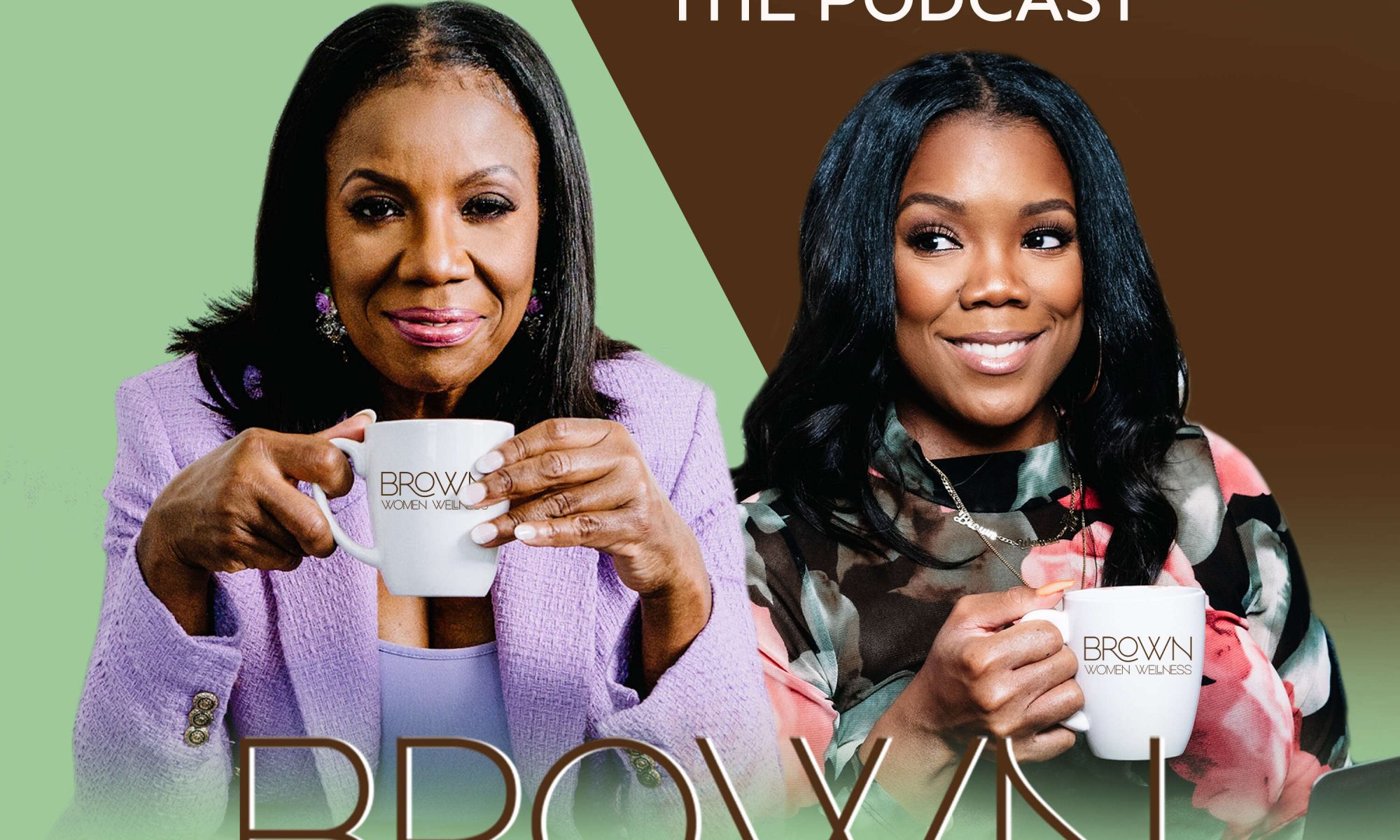
Cassandra is the co-founder of On Purpose Consulting Group; a nonprofit designed to help women live their lives on purpose, for purpose, and with purpose.  She focuses on leadership strategy, coaching, content, and community. For over 12 years, she has also been working as a nurse. Serving in different fields including; oncology, ER, and Home Care.  Cassandra is passionate about helping those who help others to understand the cost of caring and how to effectively combat fatigue. 

Episode 7: Victoria Storm on the transformative nature of Music Therapy

Storm has a unique background that includes 25+ years of bringing music to persons in need through her work in a community music school, special education classrooms, physical and mental health hospitals, hospice and elder care facilities.  Her Master of Music and Bachelor of Music degrees in Music Therapy are from Western Michigan University.  She is a regular speaker on the topic of music therapy in university classrooms, regional, and national conferences.

Episode 6: Erik Cremeans On Being a Hospice Chaplain

In today’s episode, our hosts Joe Newton and Saul Ebema sit down to talk with Erik Cremeans. Erik shares his journey from childhood and the lessons he has learned along the way that influence his work as a professional hospice chaplain. 

Chaplain Erik is also a theologian, a thinker and a short story writer. He looks at himself as a curator of people’s stories and in his writings, he captures the beauty within those bedside narratives. Here is a piece he wrote for; https://hospicechaplaincy.com/2020/02/16/stone-the-crow-a-chaplains-reflection-on-death-and-dying/

Art by Mike Shragal!

Artist Mike Shragal stopped by Audiohive Podcasting to experiment with some live streaming. Mike is thinking about utilizing Audiohive’s services to produce drawing tutorials for his youtube channel. 

We weren’t focused on the audio tonight so much as figuring out how all the video parts would work. We were able to use the LonelyScreen AirPlay Receiver app on the studio’s windows PC to mirror Mike’s Ipad Pro into OBS Studio. It worked really well! 

Make sure to check out Mike’s youtube channel and catch the pilot of his original animated series! 

https://twitter.com/meeksthemighty https://www.youtube.com/watch?v=IRASAUriUOI&t=52s https://www.instagram.com/artbymikeshragal/ https://www.instagram.com/meeksthemightycartoon/ https://www.storefrontier.com/meeksthemighty


Episode 5: One on one with Rev. Dr. Terri Daniel

Terri conducts workshops throughout the U.S. to help the dying and the bereaved find healing through meditative, ritual and therapeutic processes that focus on inner transformation rather than external events. 

Her work is acclaimed by physicians, hospice workers, grief counselors, clergy and the bereaved for its pinpoint clarity on the process of dying and grieving, and its heartfelt depiction of consciousness beyond the physical body. 

She is also an author who has written a number of books including;

1.     GRIEF AND GOD: When Religion Does More Harm Than Healing (2019)

2.     ​TURNING THE CORNER ON GRIEF STREET: 
 Loss and Bereavement  as a Journey of Awakening (2014)

3.     EMBRACING DEATH: A New Look at Grief, Gratitude and God (2010)

4.     A SWAN IN HEAVEN: Conversations  Between Two Worlds (2007)

Let me introduce myself!

Last week I featured a short interview with Saul and Joe, who are currently recording their Hospice Chaplaincy podcast at Audiohive Podcasting. This week, I’m going to answer the same questions, and offer a little insight to what goes in to taking a podcast from start to finish.


  • What made you decide to start a podcast studio?
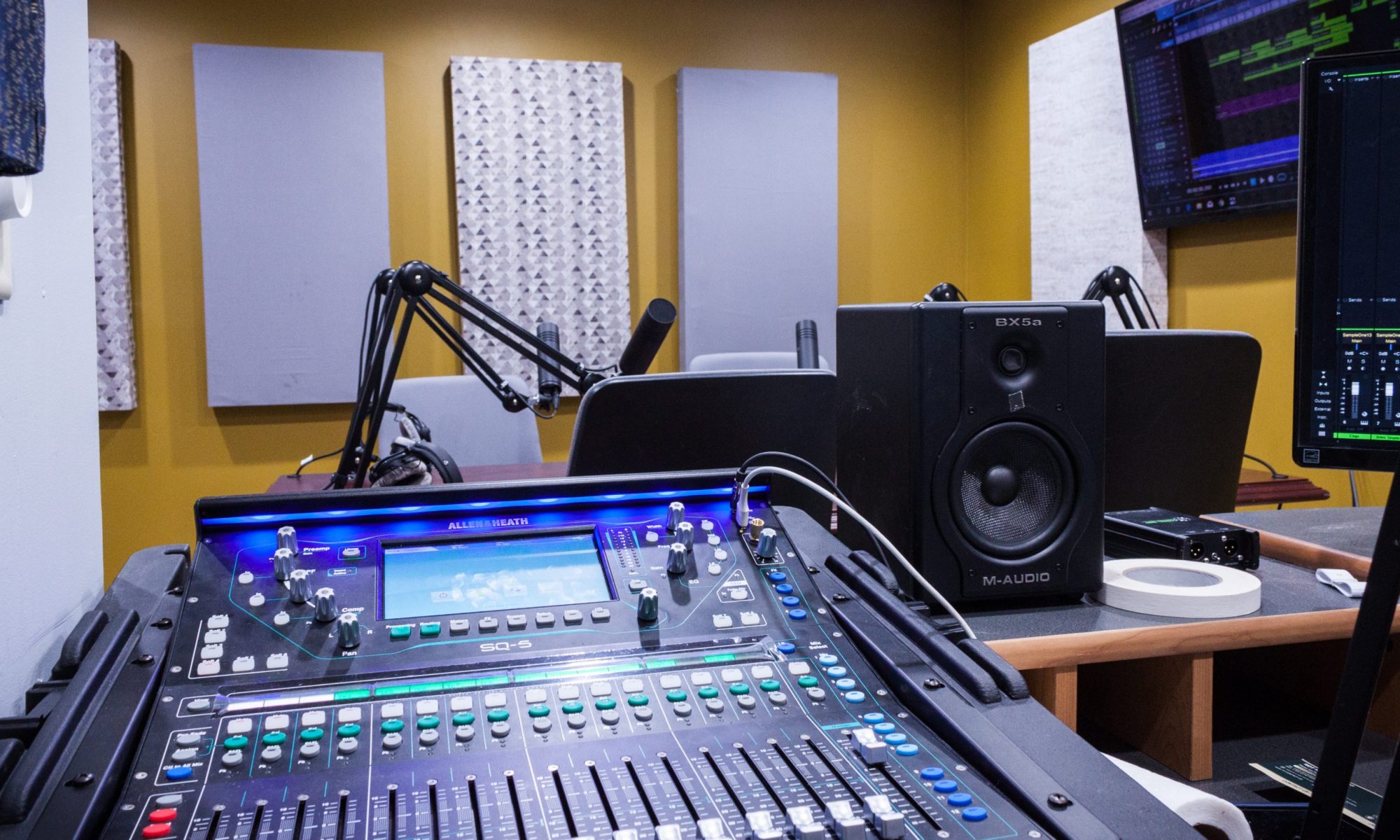
    I’ve been playing and recording music for 20 years, and have worked in music retail for 14. Over the last couple years I’ve noticed a growing interest in podcast recording. One thing most of the interested parties have in common is this: Zero audio recording experience. One of the biggest hurdles people face in podcasting is the technical aspect. I’ve had customer after customer basically throw away money on recording equipment they couldn’t use. Many of them who were able to figure out the basics and do some recording realized they weren’t getting the sound they had hoped for. This stemmed from a few factors, such as a limited budget for good microphones, or a general lack of mixing knowledge after the recording was complete. I knew I could help, and decided to open Audiohive Podcasting!


  • Has anything been more challenging than you expected?
    The editing! You might not realize it, but there’s a lot of editing happening in most of the podcasts you listen to. I’ve spent hours editing my customers podcasts. What am I editing out? Coughing, sneezing, clearing throats, mis-spoken words are common. I’ve also had requests to make the podcast “snappier,” which involves going in and shortening silences between words, questions, and responses. This requires a good ear for timing and cadence to keep speech patterns sounding natural while still speeding the conversation up a bit. I can judge if I did a good job at this if I can’t tell where the edits are when I play it back, even though I’m the one that edited it!


  • Has anything been easier than you expected?
    Handling revision requests for my clients has been a breeze, thanks in part to FilePass. FilePass is a revision collection platform that makes it easy for me to upload my client’s podcast for them to review, and put in time-stamped revision requests. I can then easily see exactly where they want an edit to happen and what they’d like me to do. Once I finish a revision, I check it off the list. When I’ve completed all the requests, I re-upload the edited version. Once the client is happy with the finished podcast, they are able to pay for the work and download the file.


  • If you could go back and re-record your first podcast, what would you do differently? 
    I’d spend more time getting the introduction, break, and ending voice overs recorded well, and mixed in with the music right away. I realized I was wasting a lot of time inserting vocal tracks, lining up the music, creating the fade in/out on every podcast I edited. I had a “duh” moment and now create mixdowns of those elements before doing anything else so they’re quick and easy to insert into each episode of the podcast. I’d also really pay more attention to how guests are situated around the microphones. I think due to my background with musicians I can take for granted people knowing good microphone technique. Often I find that isn’t the case, and rather than try to get a client to position themselves around the mic better, I try to position the mic around the client better!


  • Do you have any advice for someone thinking about starting their own podcast?
    My advice is the same as Saul and Joe’s, just go for it! I make it super easy for you to come in, sit down, and start talking. Have some notes and maybe bring a friend and see what comes out! I can guarantee that it’ll at least sound good.


  • What do you think of your overall experience with Audiohive Podcasting so far?
    It’s been a great learning experience. I’ve spent a lot of time recording and mixing music, but there’s a special set of skills and tools for dialogue mixing and editing that I haven’t used as much. It’s really interesting finding things that my recording software can do that I just never needed to use before.


I am super grateful for the opportunity to record your podcast! I’ll continue to do my best to make recording easy for anyone aspiring to start their own personal journey into podcasting.


Episode 4: Caring for the family of hospice patients

In this week’s episode, Dr. Saul Ebema and Dr. Joe Newton sit down to talk about the challenges of the family members of the hospice patient and how to help them.

When a member of the family is dying, unique problems arise. These problems usually begin at the time of diagnosis. Communications often becomes difficult as family members experience different stages of grief. Early in terminal illness, there are the emotional burdens of learning of the illness and coming to accept a terminal diagnosis, of giving up hope of cure and choosing comfort measures. In addition to grieving for the potential loss of the loved one, there is also the grief for the death of the family unit as it has existed before. Although the family will continue after the death, it will forever be changed by the death.

Meet Saul and Joe from The Hospice Chaplaincy Show!

Hello Podcasters!

This week I’m taking some time to spotlight a new podcast being recorded at Audiohive Podcasting. I would like to introduce Saul Ebema and Rev. Dr. N. Joseph Newton of The Hospice Chaplaincy Show. Say hello!

Saul and Joe started recording just over a week ago, and have already recorded 4 episodes! They are passionate about what they do, and are really excited about their podcast. Saul and Joe are both completely new to podcasting, and had no previous studio experience. I asked them a few questions after their last recording session to see how they felt about things so far.

  • What made you decide to start a podcast?
    Saul:
     I feel like I have a lot of content to offer people- especially in the area of educating people abut the psycho-spiritual aspects of end of life care in the context of hospice.
    Joe: I was asked by Saul to be a part of this endeavor.  I was immediately interested due to the remarkable market there is for podcasts.  I never thought I would be part of something that I believe will be life-changing.  I was initially unsure of the purpose and if there was a need, and then hearing Saul explain all that he has done up to this time, I was in.

Saul and Joe are a great example of taking your life’s passion and work and making it the subject of your podcast. They both have extensive experience and years of stories about their lives as hospice chaplains.

  • Has anything been more challenging than you expected?
    Saul: Of Course it takes time to find the right voice and rhythm to create the perfect mood for your podcast.
    Joe: I find that conversation is powerful. Getting to that comfort level was challenging at first, but finding it and feeling the freedom to express one’s thoughts is liberating and exciting.

Comfort is key, and by the time they were recording their third episode I started to feel them relax and settle in to things more. It takes time to find your voice and pacing. Saul listened to his first episode and noticed things he didn’t like and was able to begin addressing them the next episode.


  • Has anything been easier than you expected?
    Saul: Recording the shows seems easier than I expected.
    Joe: Initially I was only answering questions and adding some of my insights which was easy for me.  As time has gone on it has become more of a heart-to-heart give and take of ideas and experiences.

I was happy to hear that the recording part was easy! After all, I started Audiohive Podcasting to give people a way to record their podcast with zero recording experience.

  • Do you have any advice for someone thinking about starting their own podcast?
    Saul: Yes, just start. Don’t over think it.
    Joe: My advice to someone wanting to begin a podcast, just do it.

I first met with Saul at Audiohive on a Friday morning to show him the studio, and by Monday they were recording their first podcast. They definitely walked the walk on this one!

  • What do you think of your overall experience with Audiohive Podcasting so far?
    Saul: My overall experience has been amazing. The support has been great- 10/10
    Joe: I was a bit intimidated walking into the studio, never been part of something like it, but Brian has made it very comfortable.

I am super grateful for the opportunity to record your podcast! I’ll continue to do my best to make recording easy for anyone aspiring to start their own personal journey into podcasting.

You can check out The Hospice Chaplaincy Show by visiting The Hospice Chaplaincy website, or find them on iTunes, Spotify, and Google Play Music.

Episode 3: Therapeutic Interventions for Children and Teenage Hospice patients

There is an implied though not plainly expressed expectation in our culture that the parent will die before the child. The orderliness of the universe seems to be undermined when this expectation is unmet. The unnaturalness is not determined by the age of the child, but by the fact that the child dies out of turn with the parent. The death of a child is considered a greater loss in our culture because the child has not had the opportunity to live a full life compared to the adult or the elderly. The emotional and spiritual needs of dying children vary greatly with age and intellectual ability.